
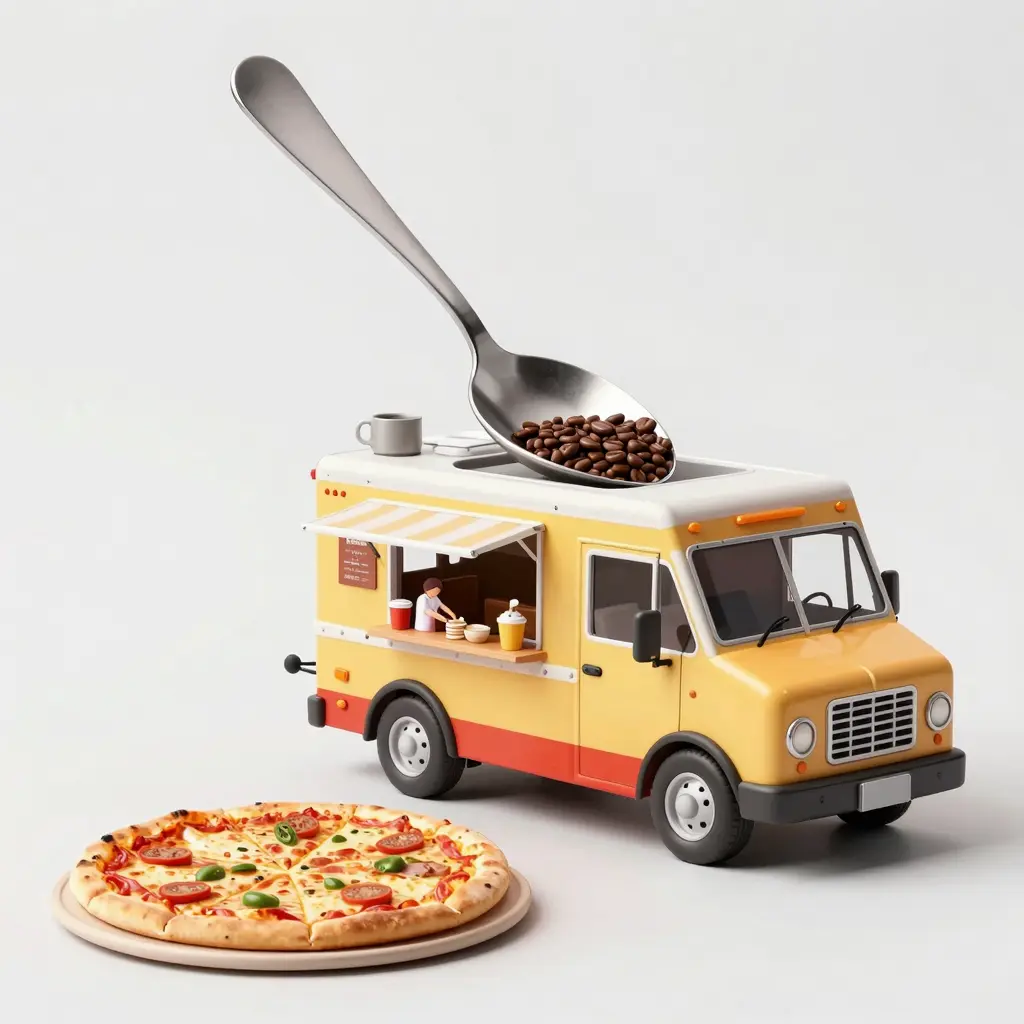
Measuring Life in Coffee Spoons: The Roadmap to a Successful Pizza Truck Business
In the whimsical words of T.S. Eliot, “I measured out my life with coffee spoons.” This metaphor captures the essence of how we quantify our experiences and accomplishments. Similarly, in the world of business ownership, every decision, big or small, becomes a measurement of our journey towards success. As aspiring entrepreneurs eye the lucrative landscape of food trucks, particularly pizza, understanding the significance of meticulous planning and strategy is critical. Starting a pizza truck business isn’t just about cooking delicious slices; it’s about crafting a comprehensive business model, setting clear goals, and executing them with precision. Just as one wouldn’t pour coffee without measuring to achieve the perfect brew, business owners must approach every element of their venture-from location scouting to menu selection and marketing-with thoughtful calculation and strategy. In this article, we will explore the vital components of planning for your pizza truck business and how every small step can lead to extraordinary results. Learn more about building a coffee-rich life while you embark on your entrepreneurial journey.
“Dreaming, after all, is a form of planning.”
- Gloria Steinem
This quote emphasizes the importance of dreaming as a crucial step in planning for success, especially in the context of business journeys. In business, having a vision or a dream serves as the foundational step that guides decision-making and strategic planning.
For more insights on how to navigate the intricate paths of entrepreneurship, learn more about coffee-rich life and how a simple motivation can lead to great achievements.
The Importance of Strategic Planning in Starting and Managing a Pizza Truck Business
Strategic planning is a cornerstone of success for any business, especially for mobile food vendors like pizza trucks. In a competitive and often unpredictable market, having a well-structured plan can significantly impact your ability to launch and sustain your operations. Here’s how strategic planning helps define your vision, set clear goals, and measure progress over time.
Defining the Business Vision
A clear business vision offers a long-term perspective, guiding daily operations and inspiring employees. For a pizza truck business, this vision might include providing high-quality, unique pizza options made from locally sourced ingredients. This not only sets the tone for your brand but also aligns with market demands for sustainability and quality. Your vision should be compelling and resonate with your target audience-customers who appreciate gourmet food on the go.
Setting SMART Goals
Once a vision is established, defining specific, measurable, achievable, relevant, and time-bound (SMART) goals becomes crucial. For instance, a pizza truck business might set goals such as:
- Increasing sales by 20% within the first year.
- Expanding operations to three weekly events over the next six months.
- Launching a loyalty program within the first quarter.
These goals provide a framework for measuring success and maintaining focus on what needs to be achieved. By regularly assessing progress toward these objectives, owners can make informed adjustments to their strategies as needed.
Measuring Progress Over Time
Establishing a method for tracking performance metrics is essential for understanding whether your business strategies are effective. Common metrics for a pizza truck may include:
- Sales figures: Review weekly and monthly sales reports to assess performance.
- Customer feedback: Implement surveys to gain insights about your product and service, which can inform adjustments to your menu or customer experience.
- Event attendance: Track the number of attendees at events to evaluate the effectiveness of your marketing strategies.
By consistently measuring performance, business owners can ensure they remain aligned with their goals and make data-driven decisions.
Conclusion
In summary, strategic planning is vital for launching and operating a successful pizza truck business. By defining a clear vision, setting actionable goals, and measuring progress methodically, entrepreneurs can navigate the challenges of the food service industry effectively. For more insights into business planning and success, consider exploring why food trucks fail or strategic planning for food startups.
The Importance of Resource Management in a Pizza Truck Operation
Effective resource management is paramount for any business, but it’s especially crucial for mobile operations like pizza trucks where constraints can be even more pronounced. Effective utilization of time, money, and ingredients directly influences not only the profitability of the venture but also the overall sustainability and customer satisfaction.
Time Management
In the fast-paced world of food trucks, time is of the essence. Efficient time management can improve service speed, allowing the truck to serve more customers in a shorter timeframe. For example, by optimizing the vehicle’s route to peak areas during lunch hours, a pizza truck can significantly increase sales. Implementing a pre-preparation strategy wherein dough and toppings are prepped in advance can also expedite the cooking process during busy hours. This not only reduces wait times for customers but also improves the overall customer experience, encouraging repeat business, which is essential for growth.
Financial Resources
Budgeting is critical. Successful pizza trucks often start with a clear understanding of their financial flows, including startup costs such as equipment and supplies, operational costs like fuel and ingredients, and ongoing marketing expenses. For instance, a pizza truck that effectively tracks its expenses can determine whether to invest in higher-quality ingredients or stick to its current inventory. This financial astuteness can directly affect their pricing strategy and, ultimately, their profitability. Businesses, which can accurately forecast their earnings and expenses, are more likely to thrive in competitive markets.
Ingredients Management
Ingredient management is another crucial aspect of resource management. Using high-quality ingredients can enhance the pizza’s appeal, but it must be balanced with cost considerations. Implementing a system for monitoring inventory levels can prevent waste and ensure that ingredients are always available. For example, a pizza truck can incorporate seasonal ingredients that are both cost-effective and align with evolving customer preferences. This adaptability not only maintains customer interest but can also lead to cost savings, enhancing profit margins.
Real-World Example: Mobile Pizzeria Success
Take the instance of a popular mobile pizzeria that saw its success skyrocket due to meticulous resource management. They adopted a strategy of sourcing local ingredients which not only cut down travel costs but also resonated well with consumers increasingly keen on supporting local businesses. They further streamlined their operations by implementing a POS system that tracks inventory and sales simultaneously, allowing for efficient management of both time and money.
In conclusion, effective resource management transcends mere upkeep of stocks and finances; it forms the backbone of thriving pizza truck operations. By honing time, financial, and ingredient management, these businesses can boost efficiency, reduce waste, and foster a loyal customer base. To learn more about managing your resources wisely, check out Coffee Rich Life.
Growth of Food Trucks and Pizza Trucks in 2023
The food truck industry continues to thrive, particularly in the realm of pizza trucks. Recent trends and statistics showcase significant growth and evolving market dynamics:
- Market Growth: The food truck industry is expected to grow significantly, with pizza trucks making up a considerable portion of the market. Innovations in menus and services have been key drivers of this growth.
- Opportunities: There is a rising demand for gourmet and specialty pizzas, offering unique opportunities for entrepreneurs to capitalize on consumer preferences. Additionally, the integration of digital ordering systems has enhanced customer convenience.
- Challenges: However, operators face several challenges including
- High operating costs
- Regulatory hurdles
- Labor shortages
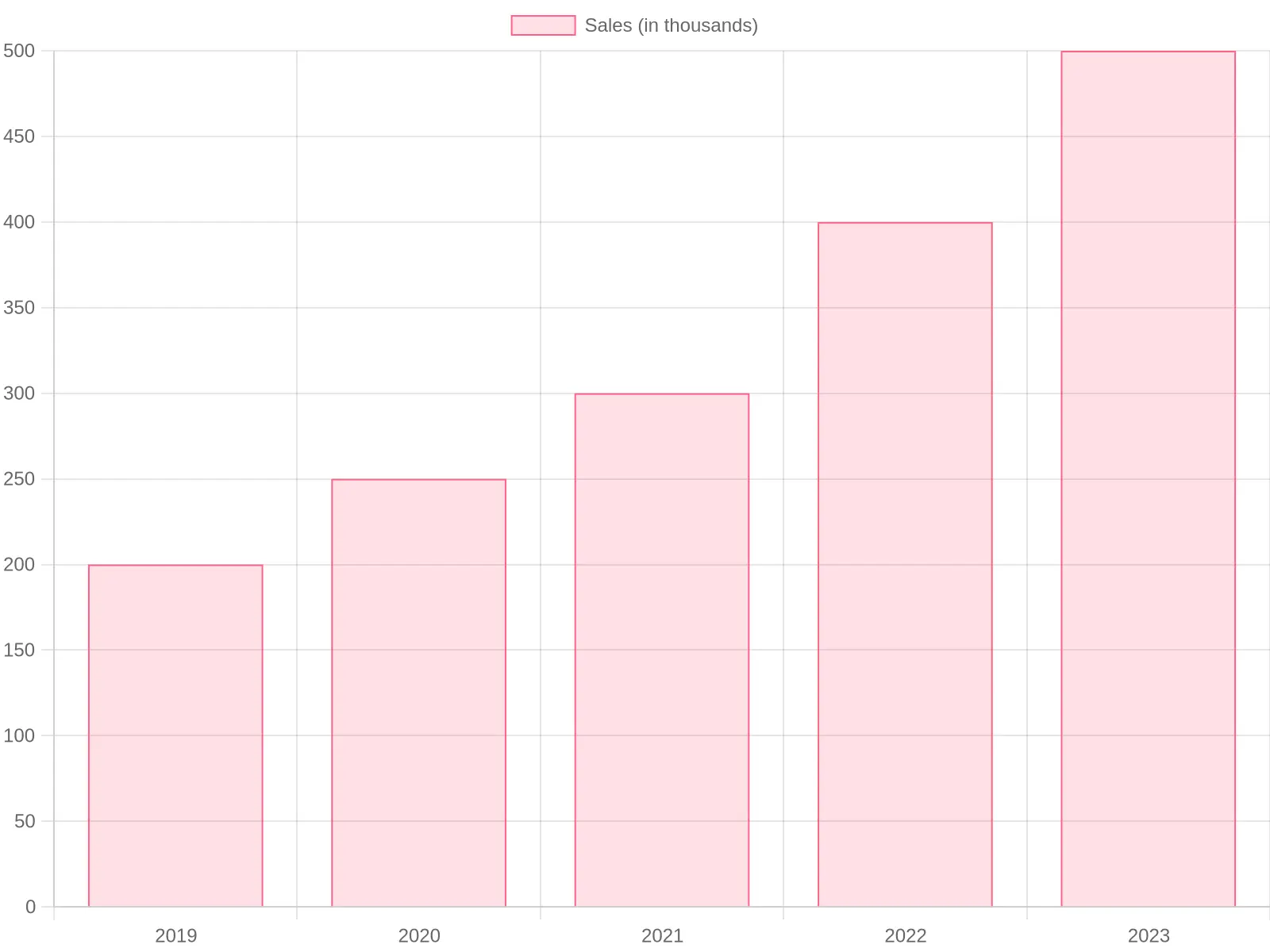
Statistics Table: Pizza Truck Sales Growth
| Year | Sales (in thousands) |
|---|---|
| 2019 | $200 |
| 2020 | $250 |
| 2021 | $300 |
| 2022 | $400 |
| 2023 | $500 |
The industry is witnessing a resurgence post-pandemic, where consumers are increasingly looking for convenient dining options. Ambitious pizza truck owners are encouraged to leverage these trends while navigating the challenges in this competitive food service landscape.
For further insights and guidance, learn more about the coffee-rich life to explore innovative ideas and trends relevant to food business owners.
Comparison of Pizza Trucks for Business Owners
| Truck Type | Size | Capacity (Pizzas/Hour) | Price Range |
|---|---|---|---|
| Small Pizza Truck | Compact (15-20 ft) | 40-60 | $50,000 – $80,000 |
| Medium Pizza Truck | Standard (20-25 ft) | 60-80 | $75,000 – $120,000 |
| Large Pizza Truck | Full-size (25+ ft) | 80-100 | $100,000 – $200,000 |
| Custom Outfitted Truck | Variable | 100+ | $150,000+ |
Additional Insights:
- Small Pizza Truck: Ideal for entrepreneurs starting out or operating in locations with limited space. It has moderate capacity and a lower price point.
- Medium Pizza Truck: A good compromise between capacity and cost, popular among established brands.
- Large Pizza Truck: Best for businesses projecting high volume sales in busy areas, but it requires more significant investment.
- Custom Outfitted Truck: Tailored for specialized menus or advanced cooking techniques like wood-fired ovens; these can be the most expensive.
For a deeper understanding of starting a pizza business, you can learn more about types of food trucks and get insights on market trends and costs related to the food truck industry.
Writing a comprehensive business plan for your pizza truck can also be beneficial. For more on this, you may check out expert advice.
Actionable Steps to Start Your Pizza Truck Journey
Starting a pizza truck business can be an exciting venture, especially for cooking enthusiasts and those with a penchant for entrepreneurship. Here’s a comprehensive guide on how to kick off your pizza truck journey.
1. Initial Steps to Launch Your Pizza Truck
- Conduct Market Research: Identify your target customers and competition in your area. Understanding the local market will allow you to tailor your menu offerings to what people are craving.
- Create a Business Plan: Outline your business goals, target market, marketing strategies, and financial projections. Incorporate how your pizza truck will stand out in the food truck industry, possibly through unique recipes or sustainable practices.
- Obtain Permits and Licenses: Research local regulations regarding street food vendors, health permits, and truck licensing. Ensure you have all necessary documentation to operate legally.
- Choose Your Truck and Equipment: Selecting the right truck is crucial. Look for a vehicle that has sufficient space for cooking and storage. It should also meet health department regulations.
2. Budgeting Tips for Your Pizza Truck
Budgeting is vital for keeping your business on track financially. Here are some actions you can take:
- Estimate Start-up Costs: Invest in quality equipment such as ovens, refrigerators, and utensils specifically designed for mobile cooking. Create a detailed budget for your initial expenses, and don’t forget about branding costs like truck wrap and signage.
- Track Operating Costs: Understand your ongoing expenses including ingredients, wages, fuel, and maintenance. Food Truck Empire recommends monitoring costs closely for more controlled spending.
- Set Menu Prices: Determine your food pricing based on ingredient costs and market norms. Be sure to account for profit margins while remaining competitive.
- Plan for Cash Flow: Factor in slower sales periods, and adjust your budget as necessary. According to The Balance Small Business, seasonal trends can impact cash flow significantly.
3. Essential Equipment Requirements
To operate a successful pizza truck, you’ll need the following essential equipment:
- Commercial Pizza Oven: A high-quality oven that can cook pizzas quickly and evenly is crucial. Consider options like wood-fired, gas, or electric ovens.
- Refrigeration Units: A reliable fridge is essential for maintaining the freshness of your ingredients. Make sure it’s adequately sized for your ingredient inventory.
- Prep Area & Equipment: Include prep tables, cutting boards, and pizza pans to streamline your cooking process.
- Cooking Utensils and Supplies: Stock up on pizza cutters, spatulas, and serving ware.
- Point Of Sale System: Implement a digital order management solution to streamline sales and reduce waste, as suggested by Food Truck Network.
By following these actionable steps, you’ll be well on your way to launching your pizza truck. Make sure to adapt your tactics as you grow, keeping an eye on market trends and customer preferences. Good luck on your culinary journey!
Revenue vs Expenses Comparison for a Pizza Truck Business
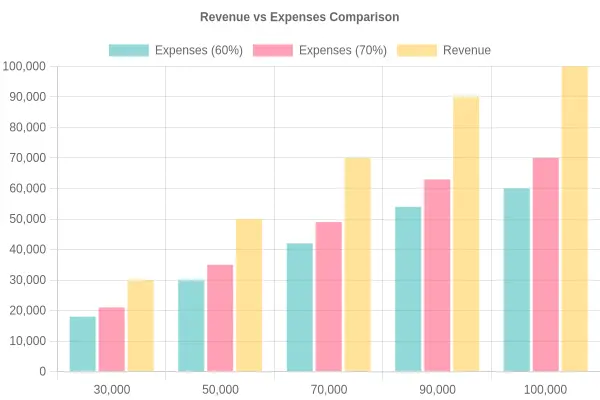
In order to successfully plan the financial trajectory of a pizza truck business, understanding the potential revenue versus expenses is crucial. Below is a chart that illustrates these financial projections across typical revenue scenarios for a food truck operating within the pizza industry.
Financial Projections Overview
- Revenue range: $30,000 to $100,000 in the first year.
- Expenses typically constitute about 60% to 70% of total revenue. This includes costs for ingredients, labor, permits, and operating expenses.
Chart: Revenue vs Expenses
Summary of Data
| Revenue ($) | Expenses ($) (60%) | Expenses ($) (70%) |
|---|---|---|
| 30,000 | 18,000 | 21,000 |
| 50,000 | 30,000 | 35,000 |
| 70,000 | 42,000 | 49,000 |
| 90,000 | 54,000 | 63,000 |
| 100,000 | 60,000 | 70,000 |
As you can see from the chart and the summary table, careful financial planning is essential. Utilizing these projections can help pizza truck owners make informed decisions about their start-up investments and ongoing expenses, leading to successful operations.
For more financial tips and insights into the truck-based business model, check out this guide on starting a food truck business.
Conclusion
In conclusion, as you reflect on your pizza truck endeavor, it’s essential to remember the metaphor of measuring life in coffee spoons. Each spoonful represents a careful decision, a strategy, and the small, yet significant steps needed to succeed. Every detail-from choosing the right ingredients to creating the perfect recipe-counts in crafting a memorable experience for your customers.
As business owners, approaching your journey thoughtfully means being intentional about each step. Embrace the process of growth, learning, and adaptation. Every spoonful of effort contributes to the overall flavor of your business.
Take time to enjoy your journey and ensure every decision aligns with your vision. In doing so, your pizza truck won’t just serve delicious food; it will create cherished memories for your customers, essentially allowing you to measure your own life’s success not just in profits but in happiness and fulfillment. To learn how to better navigate your entrepreneurial journey, consider reading about our coffee-rich philosophy for insights and inspiration.
With the right approach, every coffee spoon filled can lead to an extraordinary life and business.