

In a world where nearly 26% of coffee drinkers are savoring their brews made from instant coffee, business owners must pay attention to the shelf life of this popular product. Imagine a busy cafe early in the morning, when an eager customer comes in, looking forward to a steaming cup of convenience. But what if that instant coffee has sat on the shelf for too long? The taste would suffer, potentially leading to dissatisfied customers and negative reviews. Coupled with the fact that the average retail price of a cup of coffee in a cafe is about $3.50 in the U.S. today, it becomes clear that maintaining product quality is crucial for customer satisfaction and return business. As the demand for instant coffee continues to rise alongside changing consumer preferences, understanding its shelf life and ensuring a fresh product can directly impact your bottom line. By prioritizing these aspects, businesses can build lasting relationships with their customers while offering a product that meets their expectations. For more insights on enhancing your coffee offerings, check out Coffee Rich Life and explore how to engage your coffee lovers effectively!
Understanding Instant Coffee
Instant coffee is a unique form of coffee made from roasted coffee beans that is processed into a soluble powder or granules, allowing for quick and easy preparation. Here’s an in-depth look at what instant coffee is, how it’s made, and why it’s popular among consumers.
How Instant Coffee is Made
The manufacturing process of instant coffee involves several distinct steps:
- Harvesting and Roasting: High-quality coffee beans are harvested and roasted to develop flavors.
- Grinding: The roasted beans are ground into a fine powder.
- Brewing: The coffee grounds are brewed in hot water to extract flavors.
- Concentration: The brewed coffee is concentrated, reducing its volume.
- Drying: The concentrated coffee is then dried using methods like freeze-drying or spray-drying, turning it into granules or powder.
- Packaging: The final product is packaged to maintain freshness and flavor.
This entire process not only preserves the flavors of the coffee but also ensures that the product remains soluble in hot water, making it convenient for the user. For more detailed insights, check out this article on the instant coffee manufacturing process.
Popularity of Instant Coffee
Instant coffee has seen a growing trend in consumption, especially among busy consumers and businesses. Here are some reasons for its popularity:
- Convenience: Instant coffee can be prepared quickly, requiring only hot water, which appeals to busy professionals and travelers.
- Longer Shelf Life: Instant coffee tends to last longer compared to regular coffee grounds, making it a staple in pantries and offices. Understanding its shelf life is crucial for businesses that rely on inventory management.
- Variety: With various brands available, such as Starbucks and Nescafé, consumers can choose from numerous flavor profiles that suit their preferences. Explore the best instant coffee brands.
The Importance of Shelf Life
For businesses, knowing the shelf life of instant coffee is essential. Here are key points to consider:
- Storage Conditions: Instant coffee can last up to 2 years unopened, depending on storage conditions, while opened packages may last around 6 months. Proper storage using airtight containers can extend its shelf life significantly.
- Impact on Quality: Over time, instant coffee can lose its flavor, which may affect customer satisfaction. To ensure quality, businesses should monitor and manage their stock effectively.
Shelf Life of Instant Coffee
| Storage Condition | Shelf Life (Unopened) | Shelf Life (Opened) | Source |
|---|---|---|---|
| Room Temperature | Up to 2 years | Up to 6 months | Calories |
| Airtight Container | Up to 2 years | Up to 6 months | FlavoristaLuna |
| Cool, Dry Place | Up to 2 years | Up to 6 months | Kitchendemy |
| Refrigerator | Not recommended | Up to 3 months | Texas Real Food |
| Freezer | Up to 2 years | After thawing, consume immediately | KitchenSurfers |
Understanding the manufacturing process and shelf life of instant coffee can greatly benefit business owners, ensuring they can meet consumer demand effectively.
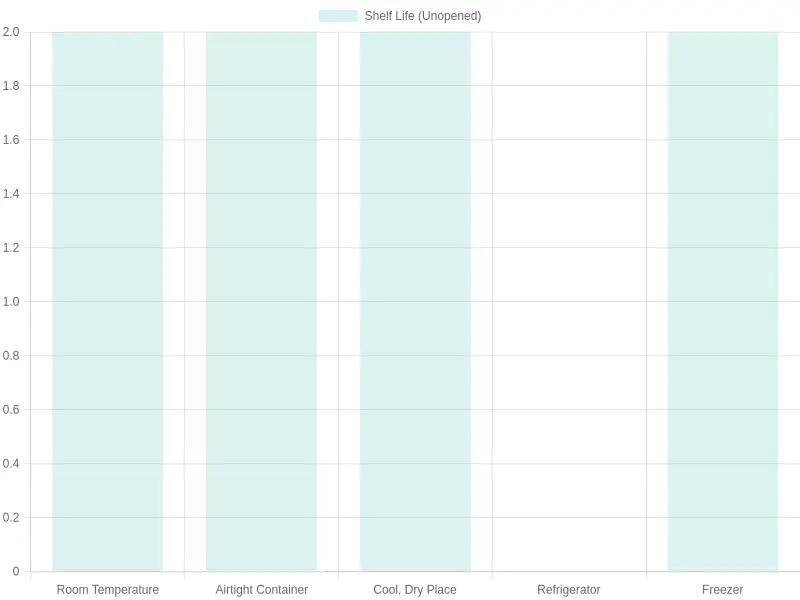
For more detailed insights into instant coffee brands and their consumer popularity, take a look at the following chart:

Shelf Life of Instant Coffee: A Comparative Table
When considering different types of instant coffee, understanding their shelf life is crucial for business owners to maintain product quality and customer satisfaction. Below is a table comparing the shelf life of powdered, granulated, and liquid instant coffee, highlighting storage conditions, packaging types, and expiration dates.
| Type | Shelf Life | Storage Conditions | Packaging Type | Expiration Date |
|---|---|---|---|---|
| Powdered | 18 months – 2 years | Store in a cool, dry place | Airtight container | Best by date (up to 2 years) |
| Granulated | 18 months – 2 years | Store in a cool, dry place | Airtight container | Best by date (up to 2 years) |
| Liquid | 1 – 2 years (unopened) | Refrigerate after opening | Bottled or sealed pack | Good until date (varies) |
Notes
- Storage: Proper storage is essential to maximizing shelf life. Avoid exposure to moisture and heat.
- Packaging: Airtight packaging is important for maintaining freshness and preventing spoilage.
- Expiration: It’s important to note that the expiration date serves as a guideline for optimal quality rather than an absolute safety date.
For more information about coffee storage methods, you can learn more here.
Understanding these factors can help you make informed decisions about inventory management and product offerings in your business.
Factors Impacting Shelf Life of Instant Coffee
Instant coffee, while convenient, is subject to a range of factors that can significantly impact its shelf life. Understanding these factors is crucial for business owners looking to maintain product quality and customer satisfaction. Here are the primary factors affecting instant coffee’s longevity:
1. Moisture
Moisture is one of the most detrimental elements to instant coffee. When instant coffee is exposed to moisture, it can lead to the growth of mold and bacteria, which can spoil the product. To safeguard against moisture intrusion, it is essential to keep coffee sealed in airtight containers. According to Texas Real Food, exposure to moisture significantly diminishes the flavor and quality of instant coffee.
2. Light
Light, particularly sunlight and artificial lighting, can cause chemical reactions in instant coffee, leading to a deterioration of flavor. It’s best to store instant coffee in dark places or in opaque containers that prevent light exposure. Ensuring that storage areas are free from direct light can prolong the freshness of the coffee significantly.
3. Temperature
The temperature at which instant coffee is stored can greatly influence its shelf life. Ideal storage temperatures are between 60°F to 80°F (15°C to 27°C). Extreme heat can accelerate the aging process of the coffee, leading to a loss of flavor. As noted by Kitchendemy, coffee should be stored in a cool environment away from any heat sources.
Actionable Tips for Proper Storage:
- Use Airtight Containers: Always transfer your instant coffee into airtight containers to protect it from moisture and air exposure.
- Store in a Cool, Dark Place: Keep coffee in a pantry or cupboard away from light and heat sources, such as stoves or ovens.
- Avoid Refrigeration: While it might seem logical, refrigeration can often introduce moisture due to condensation, which can harm the coffee. Instead, maintain a consistent room temperature.
- Monitor Expiration Dates: Regularly check the expiration date on your coffee packaging and use older stock first to minimize waste.
By implementing these storage practices, business owners can ensure that their instant coffee products retain their delightful flavor and quality while minimizing spoilage and maximizing shelf life. For further insights into coffee handling and production, consider visiting our resource on coffee life.
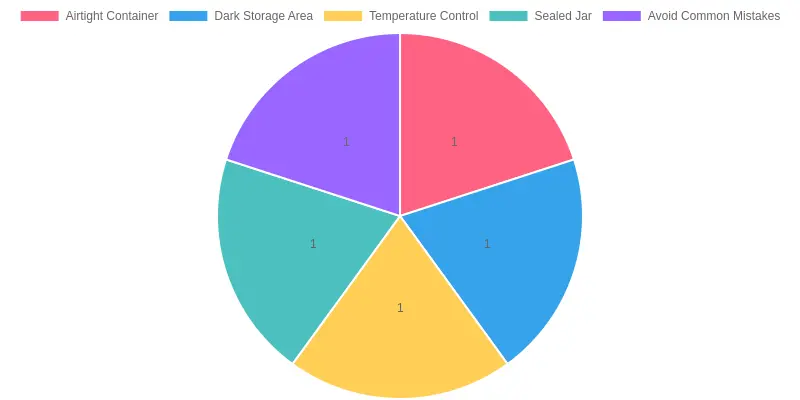
This image illustrates the best storage practices for instant coffee, featuring:
- Airtight Containers: Essential for preventing moisture exposure.
- Dark Storage Areas: Important for keeping coffee away from light, which can degrade quality.
- Sealed Jars: Ideal for long-term preservation of flavor and aroma.
- Temperature Control: Ensures a cool and dry environment for optimal storage conditions.
Maintaining the freshness of instant coffee is vital for businesses that rely on quality coffee products. For more information, learn how to extend the shelf life of your coffee and discover proper storage techniques.
How to Tell if Instant Coffee is Expired
Understanding the freshness of instant coffee is essential for maintaining quality and ensuring customer satisfaction. Here are some actionable tips and guidelines for business owners to help identify whether their stock of instant coffee has gone bad:
Visual Cues
- Packaging Inspection: Always check the packaging for integrity. If the packaging is compromised-such as tears or holes-moisture may have entered, leading to spoilage.
- Clumping: Fresh instant coffee should be dry and free-flowing. If you notice clumps forming, this could indicate that moisture has affected the coffee, compromising its quality.
- Color Changes: The appearance of the coffee can be a good indicator. Fresh instant coffee typically has a rich, dark color. If you observe a faded or lighter color, it might be a sign of age or exposure to light.
Olfactory Tests
- Smell Test: Fresh instant coffee should have a bold, aromatic scent. If it smells flat or stale, it may be time to dispose of it. The aroma is crucial for coffee lovers, and any loss of scent can indicate lower quality.
Guidelines for Testing Freshness
- Taste Testing: If the visual and smell tests pass, a small taste test can confirm freshness. If the flavor is weak or unpleasant, consider discarding it. The taste should be robust and rich, characteristic of a good instant coffee.
- Check Expiry Date: Most instant coffees come with a ‘best by’ or ‘use by’ date. While many can still be safe to consume well past this date if stored correctly, flavors and aromas may dull over time. For more information on instant coffee’s shelf life, refer to sources like Coffea Alchemy and Cartograph Coffee.
Conclusion
By regularly checking these indicators in your instant coffee inventory, you can ensure that customers receive only the best quality products. Keeping coffee in a cool, dry place and monitoring its condition will help maintain its freshness for a longer duration, thereby enhancing your customers’ experience with quality coffee.
“Monitoring expiration dates and adhering to proper storage conditions are essential for maintaining the quality and safety of coffee products. Failure to do so can lead to spoilage and even health risks due to potential contamination. Businesses should prioritize these practices to ensure that their customers receive the best coffee experience possible.”
- Food Safety Expert
Coffee often requires specific storage conditions and timely consumption to ensure its flavor and safety. Learn more about coffee shelf life. Additionally, proper management of inventories can help minimize waste and enhance customer satisfaction.
In conclusion, understanding the shelf life of instant coffee is essential for business owners managing coffee-related operations. It was highlighted that factors such as packaging, storage conditions, and production processes play a crucial role in defining how long instant coffee remains fresh and enjoyable for consumers. A proactive approach to evaluating inventory can not only help in mitigating losses due to expired products but also enhance customer satisfaction through better quality offerings. Furthermore, utilizing effective inventory management techniques, such as employing digital tools to track stock levels and adjusting orders based on demand, can significantly streamline operations. Therefore, we encourage all businesses to regularly assess their instant coffee inventory and ensure they optimize their stock according to these important considerations. For more insights on managing coffee-related products effectively, you can learn more about the importance of inventory management or explore the latest inventory software solutions to enhance your business performance.
Instant Coffee Consumption Trends
Overview
The instant coffee market has experienced a significant transformation in recent years, driven by various demographic factors. The following trends highlight the increasing popularity and evolving consumer preferences related to instant coffee consumption among different demographics:
- Convenience and Cost Efficiency: Instant coffee’s rise in consumption is largely attributed to its convenience and cost-effectiveness.
- Growing Demographic Engagement: Different age groups, particularly younger consumers, are showing a heightened interest in instant coffee.
- Product Quality Focus: As demand rises, maintaining the quality of instant coffee has become crucial for manufacturers.
Trends Chart
Here’s a chart illustrating the trends in instant coffee consumption among different demographics from 2020 to 2023:

Data Insights
The data represented in the chart includes:
| Year | Country | Age Group | Income Level | Instant Coffee Consumption Trends | Product Quality Focus |
|---|---|---|---|---|---|
| 2020 | Australia | All Ages | All Levels | Shift to instant coffee due to costs | Increasing focus on quality |
| 2021 | USA | 18-34 | Low to Middle | Growth in instant coffee popularity | Emphasis on sourcing and quality |
| 2022 | UK | 35-50 | Middle to High | Rise in instant coffee consumption | Highlighting product authenticity |
| 2023 | Global | 18-65 | All Levels | 2.5% increase in global coffee consumption | Maintaining quality amidst trends |
For more information on coffee trends, you can explore our coffee rich life or learn about the coffee lifestyle.
The Importance of Maximizing Product Quality in the Coffee Business
In the competitive landscape of the coffee business, emphasizing product quality is not merely an option; it is a necessity. Here’s why businesses should focus on maximizing the quality of their coffee offerings:
-
Customer Satisfaction and Loyalty: High product quality directly correlates with customer satisfaction. Satisfied customers are likely to return and engage in positive word-of-mouth, which is crucial for sustaining growth in a coffee business.
-
Price Premium: Businesses that offer higher quality coffee often can command premium prices, as consumers are willing to pay more for exceptional flavor and sourcing transparency, particularly in the specialty coffee segment.
-
Brand Reputation: Consistent, high-quality products enhance a brand’s reputation. In an industry heavily influenced by customer perception, maintaining quality is key to building brand loyalty.
-
Supply Chain Improvement: A focus on product quality strengthens relationships from coffee farmers to distributors, promoting ethical sourcing which benefits the entire supply chain involved in coffee production.
-
Operational Efficiency: Pursuing quality often necessitates refining internal processes, resulting in fewer defects and less waste. This operational efficiency can lead to cost reductions in the long run, benefitting the bottom line.
In conclusion, prioritizing product quality in the coffee business not only improves customer experiences but also fosters sustainable practices and can lead to increased profitability for business owners.
Enhance Your Offerings with Pizza Truck Options
In addition to focusing on coffee quality, exploring diverse business options is essential for growth. One intriguing avenue is the incorporation of food options that complement coffee, such as pizza. Food trucks, particularly pizza trucks, can provide additional revenue streams while attracting new customers to your coffee business. To discover how pizza trucks can elevate your offerings, explore pizza truck options that optimize both food quality and customer satisfaction.
The flexible nature of pizza trucks enables business owners to experiment with different themes, locations, and culinary innovations, which can significantly enhance customer engagement and profitability. Additionally, by collaborating with local businesses and understanding customer preferences, you can effectively boost your coffee shop’s appeal. For more insights into successful pizza truck strategies and concepts, check out Delicious Food Truck Ideas To Inspire Your Next Culinary Venture.