
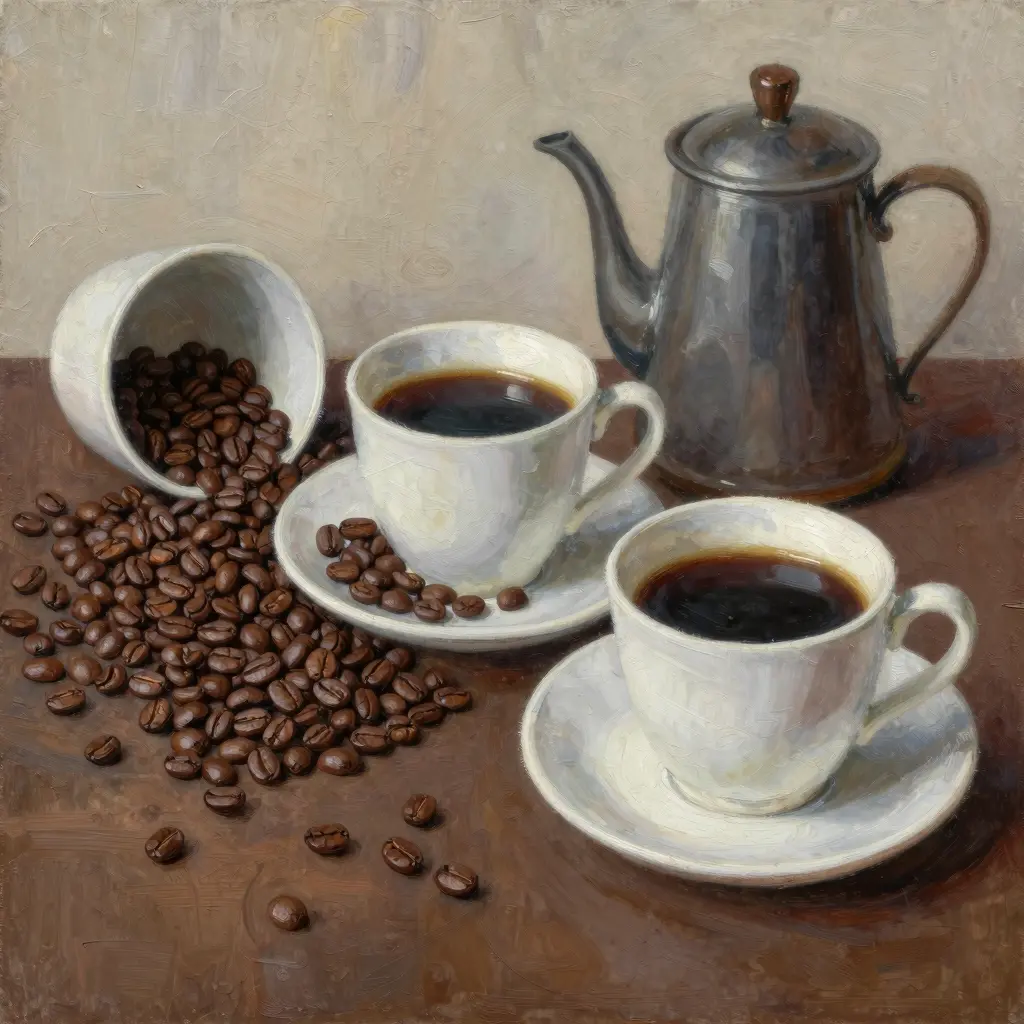
Unveiling the Beauty of Still Life with Coffee
The world of still life with coffee beautifully intertwines artistry and the everyday experience of enjoying this beloved beverage. Through the lens of artistic expression, still life compositions featuring coffee not only highlight the rich colors and textures of coffee beans, mugs, and accessories but also evoke a strong emotional connection among consumers. For coffee-related businesses, showcasing such art can be a powerful branding tool, creating a sense of warmth and familiarity that resonates with customers. A beautifully crafted still life with coffee can elevate a brand’s identity, drawing customers into a narrative that celebrates the ritual of coffee drinking. As you craft your coffee brand’s identity, consider how the beauty of coffee can be integrated into your marketing strategies to forge deeper connections with your audience, inviting them to experience your offerings beyond just a cup of coffee.
The History of Still Life in Art: A Focus on Coffee
Still life, as an artistic genre, traces its roots back to ancient cultures, but it significantly evolved during the 16th and 17th centuries. Predominantly flourishing in Dutch and Flemish art, still life paintings explored the aesthetics of everyday objects, including food, flowers, and household items. These compositions often conveyed deeper themes of mortality, abundance, and the passage of time, inviting viewers to contemplate both beauty and transience.
One notable aspect of still life is the introduction of coffee into European society in the 17th century. As coffee transitioned from an exotic commodity to a staple of daily life, it began appearing in still life paintings. This incorporation not only reflected the burgeoning coffee culture but also symbolized social status and wealth. Artists skillfully painted coffee cups, pots, and beans, capturing the essence of gatherings at evolving coffeehouses. These establishments became social hubs, playing a significant role in the daily lives of people across Europe.
Famous artists, such as Jean-Baptiste-Siméon Chardin and still-life specialists of the Dutch Golden Age, featured elements of coffee in their artworks. Through vibrant composition and intricate details, they brought forth the allure of coffee as both a drink and a cultural phenomenon. These paintings often carried rich symbolism, providing insight into the luxury and transience associated with consumption.
For business owners looking to create compelling and effective branding, the historical context of coffee still life art can serve as a source of inspiration. Incorporating elements reminiscent of these classic artworks into branding strategies can convey a sense of authenticity and sophistication. By utilizing rich colors, detailed images, and nostalgic themes, businesses can evoke emotions linked to the communal and cultural appreciation of coffee.
By learning from the intersection of art and culture in coffee’s history, brands can tailor their narratives to resonate deeply with consumers, much like the still life paintings that have captivated audiences for centuries. To explore more about Coffee Rich Life, check out our Coffee Rich Life section for further insights.
Comparison of Coffee Beans: Arabica vs. Robusta
When it comes to selecting coffee beans, two of the most well-known types are Arabica and Robusta. Each has its own unique characteristics, which not only affect the flavor and quality of the coffee but can also influence branding strategies for coffee businesses. Below is a comparison of these two popular coffee beans based on flavor profile, acidity, and best uses.
| Coffee Bean Type | Flavor Profile | Acidity Level | Best Uses |
|---|---|---|---|
| Arabica | Sweet, soft taste with tones of sugar, fruit, and berries. Often considered more complex and aromatic. | Higher acidity, often described as bright or winey. | Specialty drinks, single-origin coffee, espresso. |
| Robusta | Strong, harsh taste with grainy or nutty characteristics, sometimes chocolatey. | Lower acidity, more bitter and heavier. | Blending for espresso, instant coffee, and cheap mass-market products. |
Branding Insights
The choice between Arabica and Robusta can significantly impact branding strategies:
- Quality Perception: Arabica is often viewed as a higher-quality bean, appealing to consumers looking for gourmet coffee experiences. Businesses branding their products as premium can benefit from emphasizing Arabica in their offerings.
- Cost-Effectiveness: Due to its lower growing requirements and higher yield, Robusta can be a cost-effective choice. Brands focusing on value might opt for Robusta or blends to strengthen their market position.
For coffee business owners, understanding these differences can aid in creating targeted marketing strategies and appealing product lines. For more insights on how to build a successful coffee brand, visit Coffee Rich Life.
Why Still Life Photography is Beneficial for Coffee Brands
In today’s competitive market, coffee brands are constantly seeking innovative ways to engage with their audience and elevate their product image. One powerful tool that has emerged as a critical strategy is still life photography. This artistic approach brings numerous advantages that can enhance marketing strategies for coffee businesses.
Visual Appeal and Attraction
One of the primary benefits of still life photography is its ability to create stunning visual appeal. By showcasing coffee products in an artistic manner, brands can attract attention on social media and websites. High-quality images can highlight the rich textures, colors, and details of coffee beans, brewing equipment, and the final brewed cup. Beautifully styled compositions can not only stop the scroll but also invite consumers to linger and absorb the beauty and craft behind their favorite beverage.
Consistency in Branding
Still life photography plays a crucial role in maintaining brand consistency. A well-thought-out photographic style can set the tone for a brand’s identity, ensuring that every image conveys a unified message. This consistency is vital in enhancing brand recognition, enabling customers to easily identify and connect with the brand across various platforms, from social media to website banners. For coffee brands aiming to establish a cohesive look, investing in still life photography is essential.
Emotional Connection
Beyond mere visuals, still life photography can also forge an emotional connection with consumers. By depicting coffee in familiar, inviting settings-like a cozy morning kitchen or a vibrant brunch scenario-these photographs can evoke feelings of comfort and nostalgia. This emotional resonance not only makes the product memorable but also encourages brand loyalty, as consumers are more likely to return to a brand that resonates with their lifestyle and values.
Communication of Brand Values
Still life photography enables coffee brands to tell a story or convey their values effectively. Through carefully selected props, backgrounds, and arrangements, brands can communicate their dedication to quality, sustainability, or artisanal craftsmanship. For instance, a still life image featuring locally sourced ingredients or eco-friendly packaging can illustrate a brand’s commitment to sustainability, appealing to environmentally conscious consumers.
Conclusion
In conclusion, incorporating still life photography into marketing strategies can significantly benefit coffee brands. From enhancing visual appeal and brand consistency to deepening emotional connections with consumers, this art form provides vital advantages that can help coffee businesses stand out in a crowded market. For more insights on creating a coffee lifestyle brand, learn more about building your brand and exploring diverse coffee experiences.
Coffee Consumption Distribution by Type
To better understand coffee consumer preferences, we’ve created a pie chart detailing the distribution of coffee consumption by type for 2023. This visual representation aids business owners in grasping current market trends.

Key Statistics:
| Coffee Type | Consumption Distribution (%) |
|---|---|
| Espresso | 25 |
| Drip Coffee | 30 |
| Instant Coffee | 15 |
| Specialty Coffee | 20 |
| Other | 10 |
This chart indicates that Drip Coffee is the most consumed type, making up 30% of the total market, followed closely by Espresso at 25%. Specialty coffee is also a significant segment, reflecting consumer interest in high-quality, artisanal coffee experiences. Business owners can leverage these insights to tailor their offerings to meet emerging consumer preferences. To explore more about the coffee culture, learn about the coffee-rich life or discover tips on coffee preparation.
Five Tips for Creating Stunning Still Life Coffee Images
Creating visually appealing still life images featuring coffee can enhance your branding efforts significantly. Here are five actionable tips for business owners looking to create stunning coffee photography:
-
Master Your Lighting
Natural light is your best friend in still life photography. Try to position your coffee setup near a window where diffused sunlight can illuminate your subject. Avoid harsh, direct sunlight as it can cast unflattering shadows. Instead, experiment with different times of the day, such as early morning or late afternoon, for softer lighting. You might also want to use reflectors to bounce light back onto your coffee scene to highlight its features. -
Pay Attention to Composition
Composition is crucial in still life photography. Use the rule of thirds to place your coffee cup at one of the intersecting points for balanced imagery. Create a sense of depth and interest by varying the heights of your props-consider stacking coffee books, or adding a small plant or a scoop of coffee beans next to the cup. Learn more about coffee styling here. -
Select Appropriate Props
The right props can elevate your coffee images. Choose items like textured fabrics, rustic wooden tables, or artisan cups that tell a story. Fall-themed ingredients such as cinnamon sticks or autumn foliage can add seasonal flair, while a simple white saucer can keep the focus on the coffee itself. Decide on a theme that complements the coffee type you are featuring, and use props to convey that message. -
Experiment with Different Angles
Don’t hesitate to try various camera angles. For instance, a top-down view works well for flat lays, while a slightly angled shot can convey depth and dimension. Consider pouring coffee into the cup for a dynamic splash shot, capturing the movement and life of coffee-making-a technique highlighted in this dynamic coffee-themed guide. -
Edit Thoughtfully
After capturing your images, the editing process is essential. Utilize photo editing software to adjust brightness, contrast, and saturation. You can enhance the warm tones of the coffee and reduce distractions in the background. Focus on maintaining a natural look to preserve authenticity while making your coffee photos inviting.
Conclusion
Utilizing these tips can significantly improve your coffee photography, making your brand more relatable and visually appealing. Remember that every image tells a story, so ensure that your still life setups resonate with your brand identity and connect with your target audience.
Insights on Still Life Art
- Exploration of Reality: Still life paintings often delve into the concept of reality versus representation, capturing everyday objects in ways that enhance their significance.
- Symbolism: Many objects in still life are rich in symbolism, conveying deeper meanings about life and human experience.
- Artistic Skill Development: Historically, still life has served as a training ground for artists, helping them refine their technical skills in areas like composition and lighting.
- Cultural Reflection: These works mirror cultural values and societal changes, offering insights into the time periods in which they were created.
These points are essential in understanding the enduring impact of still life, especially for business owners interested in leveraging the aesthetic qualities of art to enhance branding. For more insights on how coffee culture can influence business branding, learn more about the coffee-rich lifestyle.
Leveraging Still Life Art for Business Branding
Still life art is not only a powerful artistic expression but also a marketing strategy that can elevate a brand’s identity and emotional connection with customers. Here are practical steps for business owners to integrate still life art into their branding strategies:
1. Choose Products Wisely
Select products that represent your brand’s identity. For instance, if you operate a coffee shop, choose beans, brewing tools, or vibrant coffee cups as subjects of your still life photography. This allows potential customers to visualize your products in a uniquely curated way, enhancing their desire to connect with your brand.
2. Craft Visual Stories
Utilize still life compositions to narrate stories about your brand or products. By showcasing your items in aesthetically pleasing arrangements, you can communicate core values and messages, strengthening brand narratives. For example, creating a backdrop that symbolizes a warm coffee experience can resonate emotionally with your audience.
3. Engage the Senses
Still life art can evoke nostalgia and warmth, creating an emotional connection with your audience. Choose elements and colors in your compositions that reflect warmth and comfort-qualities that customers associate with enjoying a great cup of coffee.
4. Enhance Brand Aesthetics
Invest time in the presentation through still life art. Using complementary colors, textures, and light can not only improve the visual appeal but also make your brand more recognizable. Consistency in aesthetic across your marketing materials can lead to better brand recall.
5. Utilize Digital Platforms
Share your still life photography on social media and your website. Platforms like Instagram or Pinterest excel in visual storytelling, making them ideal for showcasing eye-catching artwork. Use hashtags related to art and your business niche to reach a broader audience.
6. Monitor Customer Interactions
Analyze the engagement metrics on posts featuring still life images. See which compositions generate the most interest and adjust your strategy accordingly.
7. Collaborate with Local Artists
Consider collaborating with local artists who specialize in still life art. This not only brings fresh creative perspectives but also fosters community relationships and supports local talent.
By following these steps, businesses can utilize still life art to forge deeper emotional connections with their customers, turning casual viewers into loyal patrons. The art not only beautifies marketing but serves as a powerful tool for storytelling and customer engagement. For additional insights on enhancing your coffee experience, explore our coffee life tips.
Conclusion
In conclusion, still life plays a pivotal role in coffee branding, elevating the visual narrative that surrounds this beloved beverage. By employing carefully crafted still life compositions, coffee brands can not only showcase the aesthetic qualities of their products but also evoke emotional connections with consumers. The power of imagery cannot be overstated: effective still life photographs draw attention, communicate quality, and enhance brand identity in a saturated market.
Business owners should embrace this artistic avenue as a means to differentiate their brand and attract clientele. The artful presentation of coffee can inspire broader lifestyle associations, thereby fostering deeper customer engagement and loyalty. If you’re ready to elevate your coffee business’s identity through creative marketing techniques, consider integrating still life photography into your branding strategy. Learn more about effective marketing techniques for your coffee brand today! Visit Truck Pizza to explore impactful branding solutions that can help your coffee business thrive.
Engaging visuals will not only enhance your marketing efforts but also ultimately lead to increased sales and customer retention. Don’t miss out on this opportunity to connect artistry with your business vision!
Alt text: A beautifully arranged still life of coffee products including beans, cups, and accessories in a cafe setting.