

The Importance of Understanding Caffeine Metabolism
In the fast-paced world of business, understanding how caffeine affects our productivity can be a game changer. Caffeine is often viewed merely as a quick pick-me-up, but its intricate metabolic pathways significantly influence how we feel, think, and perform throughout the day. As a business owner, recognizing the nuances of caffeine metabolism enables you to harness its full potential, maximizing energization without suffering the dreaded crashes. The average caffeine half-life-ranging from three to seven hours-can impact your decision-making and overall efficiency in crucial moments. By timing your coffee consumption strategically, you can optimize your focus and drive, essential elements for success in today’s competitive landscape. Whether it’s a strong espresso before a big meeting or a late-afternoon brew to push through the day, every sip can affect your output. Learn more about the benefits of coffee and how to handle it wisely for boosted productivity.
Caffeine is a widely consumed stimulant, and understanding its half-life is crucial for managing its effects on health. According to the Mayo Clinic, “Caffeine has a half-life of approximately 3 to 7 hours in a healthy adult, meaning it takes this long for half of the caffeine to be eliminated from the body.” This time frame can vary significantly based on factors like age and medication use. Harvard Medical School adds that while caffeine can enhance alertness, excessive consumption may lead to anxiety and sleep disturbances. Regular moderation is key to harnessing its benefits while minimizing adverse effects.
The Impact of Caffeine Half-Life on Business Performance
Caffeine is widely recognized for its stimulating effects, making it a popular choice among business owners and professionals looking to enhance productivity. Understanding the half-life of caffeine-generally between 3 and 7 hours-can play a critical role in optimizing its effectiveness in work environments.
Key Research Findings on Caffeine and Productivity
-
Cognitive Benefits of Caffeine:
Research indicates that caffeine can significantly improve alertness and cognitive functions. A study published in Psychopharmacology highlighted that consumption of caffeine can enhance attention and reaction time among participants performing complex tasks. Productivity often peaks with moderate caffeine intake, enabling workers to tackle demanding projects more efficiently. -
Timing of Caffeine Consumption:
The effectiveness of caffeine is not only determined by the amount consumed but also the timing. A study in the Journal of Clinical Sleep Medicine found that caffeine intake strategically timed to combat early afternoon slumps can dramatically improve alertness and work output. This aligns with the halflife factor, as consuming caffeine too late in the day could disrupt sleep cycles and ultimately affect the next day’s productivity.
Individual Variation and Half-Life Factors
Caffeine’s half-life varies among individuals due to several factors:
- Genetic Makeup: Variations in genes responsible for caffeine metabolism can cause significant differences in how individuals respond to caffeine, leading to different optimal doses and timing.
- Tolerance and Consumption Habits: Regular caffeine consumers may develop a tolerance, reducing its effects on performance. This makes understanding one’s individual responses crucial for maximizing productivity levels.
Conclusion
Incorporating caffeine into your daily routine as a business owner can be beneficial, but it’s essential to consider its half-life and your personal tolerance levels. Timing your caffeine intake to coincide with high-demand tasks can leverage its cognitive-enhancing properties. For those looking to understand the specifics of how caffeine affects your workflow, consider exploring resources like Coffee Rich Life for more insights.
Understanding these components can help business owners foster an environment where caffeine serves as an ally, enhancing not only productivity but overall workplace performance.
Understanding Caffeine Half-Life Variability: A Guide for Business Owners
Caffeine is a staple ingredient in various beverages and products, making it crucial for business owners to understand its variability, particularly its half-life. The half-life of caffeine is the time it takes for the body to eliminate half of the caffeine consumed, typically ranging from 3 to 5 hours in adults. However, several factors can significantly influence this rate, highlighting the importance of tailoring offerings to specific customer demographics.
Factors Influencing Caffeine Half-Life
-
Age:
Younger individuals tend to metabolize caffeine more quickly than older adults. For example, children can have a shorter half-life due to higher metabolic rates compared to older populations. This understanding can guide marketing strategies, especially for products aimed at young adults versus seniors. -
Metabolism:
Individual metabolic rates vary greatly owing to genetic factors. Variations in liver enzymes, particularly CYP1A2, have a significant impact on how efficiently caffeine is processed. As business owners, recognizing that some customers may metabolize caffeine slower can inform product recommendations. -
Caffeine Sensitivity:
Customers exhibit varying sensitivity to caffeine, influencing their subjective experience. For instance, individuals with heightened sensitivity may feel the effects of caffeine longer, even if the biochemical half-life remains unchanged. Targeting these segments with lower-caffeine options like decaf could enhance customer satisfaction. -
Health Conditions:
Certain health conditions such as liver disease can impede caffeine metabolism and extend its half-life. Offering options that are easier on the system can appeal to health-conscious consumers. -
Medications:
Various medications can either speed up or slow down caffeine metabolism, causing an unpredictable half-life. It’s essential for business owners to stay informed about potential interactions if they target specific consumer subsets.
Business Implications
Understanding these factors allows business owners to better cater to their clientele by:
- Offering diverse caffeine products addressing different sensitivities and preferences.
- Educating consumers about caffeine content to help them make informed choices.
- Adjusting marketing strategies based on the demographic understanding of caffeine metabolism and age-related demand.
For a deeper dive into the world of caffeine and to keep your offerings fresh and appealing, check out our guide on coffee richness and health benefits.
By tailoring your business strategies based on caffeine half-life variability, you can optimize your product offerings and better satisfy your customers’ needs.
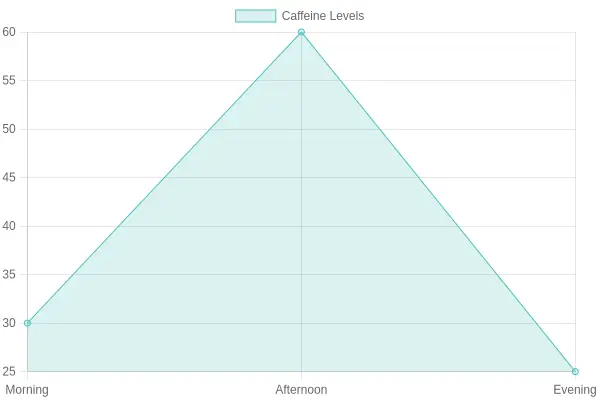
This chart illustrates the effect of caffeine half-life on alertness over time, considering different demographic factors such as age and gender. As highlighted, younger adults typically metabolize caffeine faster than older adults. In contrast, women may experience variations in caffeine effects due to hormonal changes. Understanding these nuances is essential for business owners in the coffee industry, as it influences customer preferences and consumption timings. For more insights into coffee life and its impact on business, learn more about coffee here.
Caffeine Consumption Recommendations for Business Owners
Caffeine is a popular stimulant known for enhancing focus and productivity-qualities that are particularly important for business owners. Here’s a detailed overview of how much caffeine is generally considered safe and effective, as well as the best times to consume it to maximize productivity.
Safe Caffeine Limits
According to health organizations, a moderate caffeine intake of up to 400 mg per day is typically deemed safe for most adults. This amount equates to about four 8-ounce cups of brewed coffee. However, individual tolerance can differ based on factors such as genetics, age, and overall health.
Optimal Timing for Consumption
To make the most of caffeine’s productivity benefits, timing your consumption is key:
- Morning Boost: Aim to consume caffeine in the morning to enhance alertness and cognitive function. Scientific studies suggest that caffeine levels peak in the body about 30-60 minutes after ingestion, helping you tackle morning tasks with greater focus.
- Mid-Morning Refresh: For business owners facing an afternoon slump, a mid-morning caffeine boost can stave off fatigue and keep productivity levels high.
- Avoid Late Afternoon and Evening: Since caffeine has a half-life of about 3 to 5 hours, it’s advisable to avoid caffeine consumption in the late afternoon and evening to prevent interference with sleep quality. Consuming caffeine too late in the day can lead to difficulties in falling asleep or achieving restorative sleep.
Benefits of Caffeine Consumption
- Enhanced Focus: Research indicates that caffeine can improve attention and performance on complex tasks, making it a valuable asset during critical meetings or brainstorming sessions.
- Boosted Physical Performance: If business owners incorporate physical activities or workouts into their routine, caffeine can also enhance endurance and performance in physical tasks.
Conclusion
Understanding how much caffeine to consume and when can play a crucial role in maximizing productivity for business owners. By staying within the safe limit and consuming caffeine strategically, it’s possible to harness its benefits to drive focus, creativity, and energy throughout the workday. For more insights on caffeine’s effects, you can learn more about various coffee options that provide different caffeine levels and types.
If you’re considering your daily coffee or energy drink consumption, always assess your individual response to caffeine and consult with a healthcare professional if unsure about the appropriate amount for your dietary needs.
This image visually represents coffee’s vital role in enhancing productivity for business owners. It combines elements of a steaming cup of coffee and productivity symbols in a professional workspace.
In conclusion, understanding the half-life of caffeine is crucial for business owners aiming to optimize their productivity. With a half-life ranging from 3 to 5 hours, caffeine can significantly enhance mental alertness and concentration when consumed strategically. By timing caffeine intake around key tasks and responsibilities, business owners can harness its benefits to maintain high levels of performance throughout the day.
However, it is important to note the potential downsides of excessive caffeine consumption, such as increased anxiety and disrupted sleep patterns, which may counteract its positive effects. Therefore, finding a personalized balance in caffeine consumption is essential. Innovating routines that accommodate effective caffeine use can lead to improved focus and productivity, ultimately driving business success. For more insights on enhancing your coffee experience, consider checking this guide on Coffee’s Rich Life or explore more on optimizing your coffee routines.
As a business owner, your ability to harness the power of caffeine can be the key to unlocking your full potential. Studies show that caffeine can significantly enhance focus, productivity, and overall performance-essential traits for staying ahead in today’s competitive landscape. With these benefits in mind, it’s time to explore premium offerings that can elevate your coffee experience.
Visit TruckPizza.net today to discover a range of high-quality products designed specifically for business professionals like you. Don’t miss out on the chance to fuel your caffeine consumption and boost your business success!