
In today’s fast-paced world, instant coffee has solidified its place as a staple in homes and businesses alike. For business owners, understanding the significance of instant coffee isn’t just about taste; it’s also about maintaining quality and ensuring longevity in product offerings. The shelf life of instant coffee plays a crucial role in inventory management and customer satisfaction. With a longer shelf life than most other coffee products, instant coffee provides businesses an opportunity to serve quality brews without the worry of frequent spoilage. In this exploration, we’ll delve into what affects the shelf life of instant coffee, why it matters to business owners, and how you can optimize your inventory to keep your customers coming back for more. This knowledge not only helps enhance your offerings but also ensures that you’re delivering a product that meets the high standards of today’s discerning coffee drinkers. For more insights into enhancing your coffee business, check out our comprehensive coffee lifestyle guide.
The Instant Coffee Production Process
Instant coffee is a prevalent beverage choice among consumers who seek convenience without compromising on flavor. Understanding the instant coffee production process is vital for business owners, as it directly impacts the shelf stability and quality of the product.
1. The Production Process
The production of instant coffee mainly involves two methods: spray drying and freeze drying.
Spray Drying
- This method begins with brewing ground coffee into a concentrated liquid form.
- The coffee concentrate is then sprayed into a chamber, where hot air circulates, rapidly evaporating the moisture.
- The result is a fine powder of instant coffee.
- Advantages: It’s a faster and more cost-effective method, ideal for larger production needs.
- Disadvantages: However, the high temperatures used can lead to a loss of delicate flavor compounds, affecting the final taste of the coffee.
Freeze Drying
- In this method, the coffee concentrate is frozen, then placed in a vacuum chamber.
- The pressure is lowered, allowing the ice to sublimate directly into vapor without becoming liquid, resulting in dried coffee granules.
- Advantages: This method preserves more of the coffee’s original taste and aroma compared to spray drying, making it preferable for high-quality or gourmet instant coffee.
- Disadvantages: Freeze drying is more time-consuming and expensive, making it less common for mass production.
Both methods cater to different market segments and consumer preferences, so understanding the production specifics can provide valuable business insights.
2. Importance of Shelf Life and Quality
The shelf life of instant coffee plays a crucial role in its marketability. Instant coffee can remain drinkable for years if stored properly. Generally, unopened packages can last anywhere from 2 to 5 years. Factors influencing shelf life include:
- Moisture: Instant coffee is processed to remove moisture, making it more shelf-stable. The risk comes when the packaging is opened; exposure to air and humidity can decrease quality.
- Storage Conditions: It’s best to store instant coffee in a cool, dark place and in an airtight container to maximize its shelf life.
3. Business Implications
Understanding the production methods and implications for shelf stability is essential for business owners in the coffee industry. Businesses can leverage this knowledge to:
- Improve product quality and customer satisfaction.
- Optimize storage and inventory practices.
- Position their products effectively in the market based on quality and freshness demographics.
To delve deeper into coffee storage practices and more, check out this ultimate guide on storing instant coffee.
Additionally, a quantitative assessment of the instant coffee market reveals a CAGR of approximately 7% from 2022 to 2029, making it a lucrative sector. For a visual representation of this trend, see the chart below:
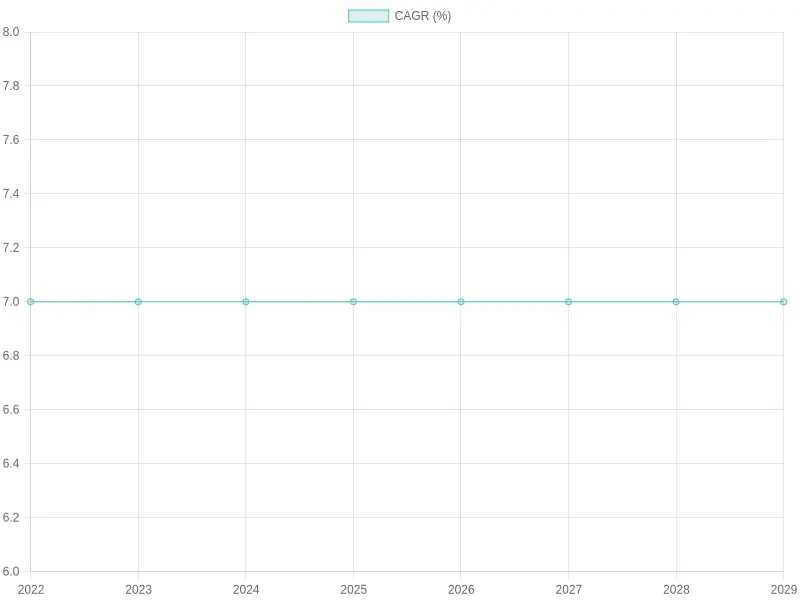
| Year | Market Growth Rate (%) | CAGR (%) |
|---|---|---|
| 2022 | N/A | 7% |
| 2023 | N/A | 7% |
| 2024 | N/A | 7% |
| 2025 | N/A | 7% |
| 2026 | N/A | 7% |
| 2027 | N/A | 7% |
| 2028 | N/A | 7% |
| 2029 | N/A | 7% |
In conclusion, learning about the instant coffee production process is not just for coffee aficionados; it holds significant value for business owners aiming to thrive in a competitive market. By ensuring quality and understanding shelf stability, they can provide customers with superior products that stand the test of time.
Comparison of Types of Instant Coffee
Here is a table that contrasts different types of instant coffee based on production method, average shelf life, and cost per unit:
| Type of Instant Coffee | Production Method | Average Shelf Life | Cost per Unit (per pound) |
|---|---|---|---|
| Freeze-Dried | Flash-freezing and sublimation of moisture | Up to 24 months | $20 – $50 |
| Spray-Dried | Spraying liquid coffee into hot air to evaporate moisture | Around 12 months | $10 – $30 |
Summary
- Freeze-dried coffee retains more flavor and aroma, making it a preferred choice for quality, but is generally more expensive due to the complex production process.
- Spray-dried coffee is quicker and cheaper to produce, making it a popular option despite having a shorter shelf life and possibly less flavor.
For more insights into coffee selection and preservation, feel free to check out our guide to Coffee Life.
This comparison is useful for business owners looking to make informed decisions regarding their coffee offerings and understanding the differing factors affecting instant coffee selections.
Factors Affecting the Shelf Life of Instant Coffee
As a business owner, understanding the factors affecting the shelf life of instant coffee is crucial for maintaining quality and maximizing sales. Here are the main elements to consider:
1. Moisture Content
Moisture is one of the primary culprits in reducing the shelf life of instant coffee. When coffee is exposed to humidity, it can undergo clumping, leading to an undesirable texture and compromised flavor. Mold and bacteria can also thrive in moist environments, making the coffee unsafe for consumption. Therefore, it’s essential to store instant coffee in a moisture-free environment to prevent degradation.
2. Packaging
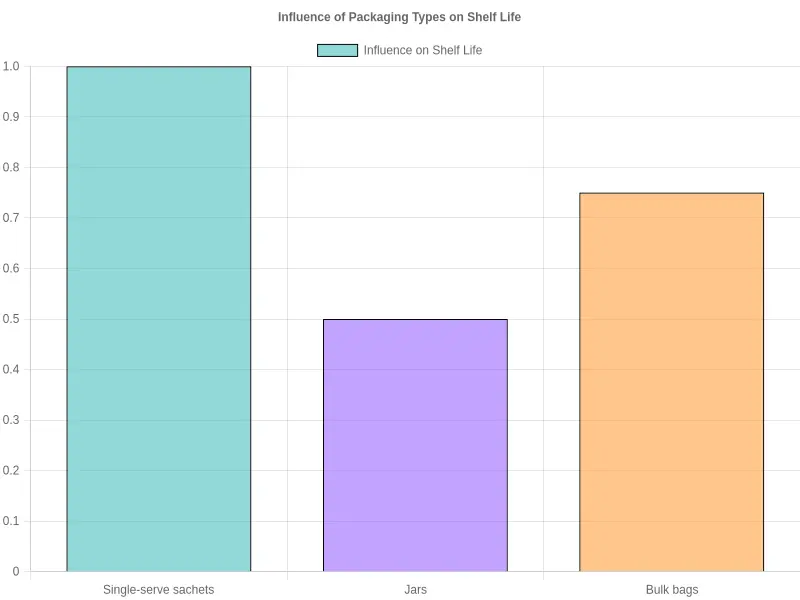
The packaging of instant coffee plays a significant role in preserving its freshness. High-quality, vacuum-sealed packages or nitrogen-flushed containers are ideal as they limit exposure to oxygen and moisture. Such packaging not only extends shelf life but also helps retain the coffee’s aroma and flavor. When selecting instant coffee for your business, consider options that come in reliable packaging to enhance longevity.
3. Storage Conditions
The conditions under which you store instant coffee greatly affect its lifespan. Here are some storage best practices:
- Cool Temperature: Store instant coffee in a cool environment, ideally below 75°F (24°C). Heat can destabilize the compounds in coffee, causing it to lose flavor quickly.
- Darkness: Light can cause chemical reactions that degrade the quality of the coffee. Hence, it’s best to keep instant coffee in dark cabinets or shelves away from direct sunlight.
4. Shelf Life and Best Before Dates
While instant coffee often boasts a long shelf life (sometimes up to 2 years), it’s important to monitor the best before date. Factors like initial packaging conditions and storage history will impact its actual freshness. Always rotate stock to sell older products first and maintain quality control.
For further insights into effective storage techniques, check out this guide from PG Foods Ind on how to properly store instant coffee. You can also explore practical tips on how to store instant coffee to ensure its longevity.
By considering these factors, business owners can enhance product quality, ensuring that customers enjoy the best flavors from every cup of instant coffee.
For business owners in the coffee industry, understanding the shelf life of instant coffee is not only crucial for inventory management but also plays a significant role in maintaining product quality and customer satisfaction.
Shelf Life Overview
The shelf life of instant coffee varies significantly, depending on various factors, including storage conditions and packaging. Typically, instant coffee can last between 2 to 20 years when unopened and stored properly in a cool, dry place. Once opened, instant coffee should ideally be consumed within 1 to 2 years for optimal freshness and flavor.
Factors Impacting Shelf Life
- Storage Conditions:
- Temperature: Ideal storage temperatures are typically between 60°F to 80°F.
- Humidity and Light Exposure: Instant coffee should be stored in an airtight container to prevent moisture and light from degrading the product.
- Packaging: The material and seals used in packaging can impact how long the coffee stays fresh. Vacuum-sealed packages tend to have a longer shelf life compared to those in regular packaging.
Importance of Shelf Life Knowledge
For business owners, having a firm grasp on the shelf life of instant coffee allows for better inventory turnover and helps in avoiding wastage. Proper labeling with expiration dates and storage instructions can also enhance customer confidence and satisfaction.
Moreover, recent consumer trends indicate a growing preference for instant coffee due to its convenience, particularly in busy lifestyles. By understanding the shelf life and ensuring products are fresh, businesses can leverage these trends to boost sales and customer loyalty.
Case Studies and Statistics
While specific case studies on instant coffee shelf life might not be readily available, general industry insights reveal that businesses benefiting from smart inventory management, including monitoring product shelf life, often see an increase in profitability and customer retention.
Reports suggest that proper management of shelf life can reduce waste by up to 30% in some food sectors. For coffee businesses, this might translate into significant cost savings and enhanced sustainability practices, as reducing waste aligns with broader corporate responsibility goals.
In summary, understanding the shelf life of instant coffee is an essential component for business owners seeking to navigate the competitive coffee market effectively. By ensuring products are fresh and managing inventory wisely, businesses can meet consumer demands while maximizing profitability.
For more insights into coffee brand management, explore the intricacies of coffee life.
Best Practices for Storing Instant Coffee
To ensure the longevity and quality of instant coffee, implementing best practices for storage is crucial, especially for business owners looking to maintain a consistent product. Here are some actionable tips:
-
Seal Properly: Store instant coffee in an airtight container to prevent exposure to air and moisture. Glass jars or tightly sealed plastic containers work best.
-
Keep It Dry: Moisture is a significant enemy of instant coffee. Store it in a dry space, avoiding damp areas like kitchens or bathrooms to maintain its integrity.
-
Avoid Light and Heat: Protect instant coffee from direct sunlight and heat sources, such as stoves or microwaves. Light and heat can accelerate the degradation of flavor and aroma.
-
Store at Room Temperature: Aim to keep instant coffee at a stable room temperature instead of refrigerating or freezing it, as temperature fluctuations can cause condensation, adding moisture.
-
Follow Best By Dates: While instant coffee may not spoil immediately, it’s best consumed within a few months after opening to enjoy optimal flavor quality. Check products for the best by dates for guidance.
By following these quality tips, business owners can maximize the shelf life of their instant coffee products, ensuring great taste and customer satisfaction.
Instant coffee has become a staple in many homes and offices, especially as consumer preferences continue to evolve in 2023. The rise of convenience and changes in lifestyle have influenced purchasing behaviors, leading to important trends in how consumers view instant coffee, particularly concerning freshness and packaging.
Increasing Demand for Freshness
Consumers today are more discerning about the quality of their beverages than ever before. This shift is significantly impacting their preferences for instant coffee. Many individuals associate freshness with taste quality, and recent research indicates that consumers are inclined to choose brands that emphasize this aspect. Features like packaging dates, roast or freeze-dried freshness, and information about how the coffee is processed are becoming crucial selling points.
- Consumer Awareness: New generations of coffee drinkers are more aware of the effects of freshness on flavor. As a result, they are likely to opt for instant coffee brands that showcase freshness prominently in their marketing. Options such as vacuum-sealed pouches or nitrogen-flushed containers are increasingly appealing to consumers who prioritize taste.
Packaging Innovations
With sustainability at the forefront of consumer concerns, packaging is another aspect that significantly affects purchasing decisions. A growing trend is the development of eco-friendly packaging solutions that not only appeal to environmentally-conscious consumers but also enhance product freshness.
-
Environmentally Friendly Materials: Brands are increasingly utilizing recyclable and biodegradable materials in their packaging. This shift aligns with consumer expectations for sustainable practices and significantly influences their overall purchasing decisions. Studies have shown that consumers are willing to pay a premium for products with sustainable packaging.
-
Convenience Features: In addition to sustainability, convenient packaging formats, such as single-serve sachets, have gained popularity. These not only contribute to product freshness but also cater to on-the-go lifestyles, allowing consumers to enjoy quality coffee wherever they are.
Business Implications
For business owners in the instant coffee market, adapting to these consumer preferences is paramount. Companies need to ensure their products are not just convenient but also presented in a manner that communicates quality and sustainability. The move towards innovative packaging solutions is not only about appealing to current consumer preferences but also about building brand loyalty.
-
Investment in Technology: Investing in cutting-edge packaging technologies can enhance shelf life while ensuring the coffee maintains its fresh profile. Businesses that can achieve a balance between quality, sustainability, and convenience are likely to stand out in a crowded market.
-
Marketing Strategies: Educating consumers about the benefits of fresh instant coffee and sustainable packaging through effective marketing strategies can lead to positive brand perception and increased sales.
In conclusion, the trends in consumer preferences for instant coffee in 2023 highlight an essential focus on freshness and innovative packaging. Businesses should actively embrace these changes, aligning their production and marketing strategies with evolving consumer expectations to stay competitive in the marketplace. For more insights into the complexities of coffee consumption, learn more about coffee culture.
This evolving landscape presents challenges and opportunities, and business owners must remain adaptable to thrive.
“The shelf life of products is crucial for maintaining quality and ensuring customer satisfaction. Products that are past their prime can lead to unsatisfied customers and ultimately damage the brand’s reputation.” – Industry Expert
This quote emphasizes the critical role that shelf life plays in business practices, particularly for food items like instant coffee. If you’d like, I can help you expand on this topic or find more general information related to instant coffee shelf life.
In conclusion, understanding the shelf life of instant coffee is crucial, especially for business owners aiming to optimize inventory management and minimize waste. As explored, unopened instant coffee can last between 2 to 20 years when stored in a cool, dry place, whereas once opened, it should ideally be consumed within 2 weeks to 1 month for the best flavor and quality. This knowledge not only helps in maintaining product excellence but also highlights significant opportunities for businesses, particularly in the e-commerce sector where proper marketing of shelf-stable products can attract discerning coffee lovers. As consumers grow increasingly conscious of expiration dates, reinforcing these insights in marketing strategies can enhance product appeal. For those looking to diversify their offerings, exploring other coffee-related products could provide valuable avenues for growth. To delve deeper into this subject and discover more about potential opportunities in the coffee industry, consider checking out our guide on coffee living and the broader aspects of operating a successful coffee business. Whether you are considering issues of freshness or new product lines, staying informed makes all the difference in a competitive market.