

Understanding the caffeine content in beverages like Dr Pepper is essential for business owners, particularly those in the food and beverage industry. With Dr Pepper containing approximately 41 mg of caffeine per 12 fl oz can, this article will delve into the various aspects of its caffeine content, comparisons with other sodas, health implications, and cultural perceptions. Each chapter will enhance your comprehensive understanding of Dr Pepper’s caffeine, empowering you to make informed decisions for your business.
What 41 mg of Caffeine in Dr Pepper Really Means Across Its Variants
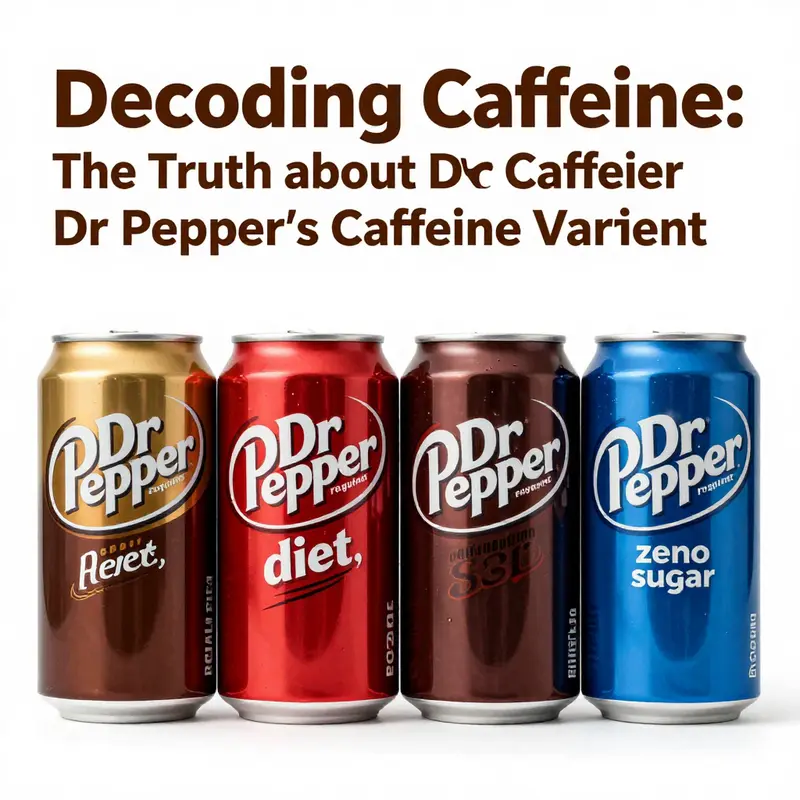
Dr Pepper’s caffeine content is simple and surprisingly consistent. A standard 12 fl oz (355 mL) can contains approximately 41 mg of caffeine. That number applies to the classic sugar-sweetened formula and the zero-calorie, artificially sweetened Zero Sugar version. In short, switching flavors or sweeteners within the brand does not change the stimulant load—unless you choose the intentionally caffeine-free option.
Understanding the meaning behind that 41 mg begins with serving size. The value is tied to a 12-ounce serving. Change the can or bottle size and you change the milligrams proportionally. A 16 fl oz bottle has roughly 55 mg of caffeine, and a 20 fl oz bottle contains about 68 mg. Pour half a 12-ounce can into a glass and you’re looking at roughly 20 mg of caffeine. That linear relationship makes it easy to track intake when you consume different formats.
Compared with other common beverages, 41 mg sits in the middle of the cola range. It is higher than some leading colas, which often register around 34 mg per 12-ounce serving, yet much lower than most energy drinks and a typical cup of brewed coffee. An average 8-ounce cup of drip coffee delivers roughly 80–100 mg of caffeine depending on brewing strength, so a single can of Dr Pepper delivers less than half the caffeine of a standard cup of coffee. Energy drinks can exceed 150–300 mg per container, making them far stronger stimulants than a soft drink.
Those differences influence the subjective experience. The stimulant effect from 41 mg is commonly described as a mild lift rather than a sharp jolt. It can sharpen alertness and reduce feelings of sleepiness for many people. But it rarely causes the jittery, anxious rush that higher-caffeine beverages can produce. Because the amount is moderate, people who are mildly sensitive to caffeine may still notice effects, while those with a high tolerance may barely feel anything.
Caffeine sensitivity varies widely. Factors such as body weight, tolerance from regular use, genetics, medication interactions, and existing health conditions change how a given milligram dose feels. For someone who rarely consumes caffeine, 41 mg can produce noticeable wakefulness and a slight increase in heart rate. For a habitual coffee drinker, the same amount might pass almost unnoticed. Because of this variability, labeling that shows a single number is helpful, but personal awareness matters more. Track how you feel after a can, and adjust your choices accordingly.
Special populations should pay attention to the content even more closely. Pregnant people are generally advised by many health organizations to limit daily caffeine to around 200 mg, though specific recommendations may differ. A single can of Dr Pepper contributes a measurable portion of that limit. Those with certain heart conditions, anxiety disorders, or sleep problems may also need to limit or avoid caffeine. For anyone unsure about safe amounts, consulting a healthcare professional is the best course.
The brand offers a caffeine-free variant for those who want the flavor without the stimulant. That option removes caffeine entirely, making it suitable for late-night drinking or for people avoiding stimulants. For anyone tracking daily totals, alternating between the regular and caffeine-free versions is an easy way to pace intake.
A few sources report slight variations in the exact milligrams per can—figures like 42.6 mg or 44.1 mg have appeared in some databases. These small differences likely reflect rounding, measurement technique, or batch variability. The most widely published and authoritative figure remains 41 mg per 12-ounce can, which is the consistent number used on official nutritional information and trusted references.
Practical choices follow from these facts. If you want a mild caffeine boost without a heavy stimulant, the brand’s regular or Zero Sugar offerings deliver it predictably. If you are aiming to stay below a daily threshold, calculate how many cans you can safely consume. For example, at a 200 mg daily limit, four cans would exceed that guideline. If you consume other caffeine sources—coffee, tea, chocolate, or medications—factor them into your total.
Mixing beverages also changes outcomes. Pairing a can with a cup of coffee can quickly push intake into higher ranges. If you monitor sleep quality, avoid caffeinated cans later in the afternoon. Caffeine has a half-life of roughly 3–6 hours in adults, so timing matters. Small doses consumed early in the day clear enough to avoid disrupting most people’s nighttime sleep, but individual differences are important.
The consistency across variants simplifies shopping and decision-making. The brand’s diet and flavored offshoots generally keep the same caffeine profile as the original. That means you don’t need to hunt for different labels to find higher or lower caffeine amounts—unless the label explicitly states “caffeine-free.” If you are curious about whether a specific flavored or diet variant contains caffeine, a concise source that addresses the question directly is available: does Diet Dr Pepper have caffeine? Get the truth in.. That page explores how sweetener changes do not typically affect caffeine levels.
Context helps when comparing beverage choices. If your goal is maximum stimulation, a can won’t compete with coffee or energy drinks. If your goal is a moderate lift with sweet carbonation and familiar flavor, the can is well suited. For parents or caregivers monitoring children’s intake, the moderate caffeine level still adds up with multiple servings. Pediatric guidelines state caffeine intake for children should be limited, so substitute caffeine-free versions when needed.
Finally, the public-facing, authoritative source on the brand’s caffeine information confirms the standard number. When questions arise about serving size, variant differences, or the availability of caffeine-free options, that source provides the official details consumers rely on. For direct verification, visit the brand’s caffeine content page: https://www.drpepper.com/caffeine-content.
This consistent caffeine story—41 mg per 12-ounce serving across primary variants—makes planning straightforward. Whether you choose the original, a diet variant, or Zero Sugar, the stimulant contribution remains the same unless you intentionally pick the caffeine-free formula. That predictability is useful for daily tracking, health-conscious choices, and enjoying the beverage without unexpected effects.
Where Dr Pepper Fits on the Caffeine Scale: A Side-by-Side Look with Other Sodas
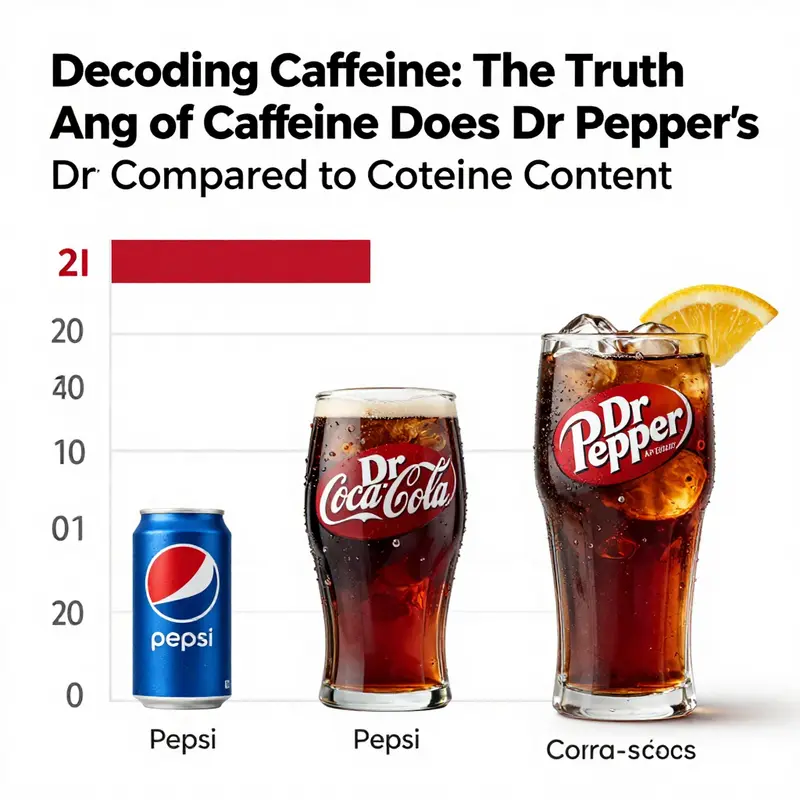
If you want a quick, reliable benchmark, a standard 12-ounce (355 mL) can of Dr Pepper contains about 41 milligrams of caffeine. That number places it in the middle of the cola category — not the lowest, not the highest. Understanding that single figure helps, but its real value comes when you compare it directly to what other sodas and drinks deliver per serving, and when you translate those amounts into practical daily decisions.
Measured by the common 12-ounce can, many mainstream sodas fall into a narrow band. For example, one well-known cola typically contains about 34 mg per 12-ounce serving, which is lighter on caffeine than Dr Pepper. Several alternative colas and cola-like soft drinks show values around 41 mg per 12 ounces, too. Some sources cite slightly different figures for older or regionally produced formulas — numbers such as 42.6 mg or 44.1 mg sometimes appear — but the industry-standard and most consistent label value hovers at 41 mg for the regular and Zero Sugar versions of Dr Pepper.
Putting 41 mg in context matters. A typical brewed cup of coffee commonly contains between 95 and 200 mg of caffeine. That means a single can of Dr Pepper has roughly a quarter, or less, of the caffeine in a standard cup of coffee. Energy drinks are a different category. Most carry substantially more caffeine per can than sodas, often two or three times the amount in a soda serving. So if you’re trying to monitor your total daily intake, remember that a soda adds noticeable caffeine, but usually far less than coffee or many energy drinks.
Serving size matters, too. Many consumers pour sodas into larger glasses, order larger fountain sizes, or consume multiple cans across a day. Two 12-ounce cans of Dr Pepper deliver about 82 mg of caffeine, which is closer to the lower bound of a modest coffee. Meanwhile, a 20-ounce soda serves proportionally more caffeine. That simple scaling is why reading or knowing the per-can or per-ounce number helps keep intake predictable.
Beyond per-can arithmetic, the way caffeine behaves in your body influences how you should interpret those numbers. For most adults, a daily intake up to 400 mg is considered safe. That threshold equals roughly nine to ten 12-ounce cans of Dr Pepper, or two to four cups of brewed coffee, depending on the coffee strength. But individual sensitivity varies. Some people experience jitteriness, sleep disturbances, or faster heart rates at much lower levels. If you’re tracking symptoms, tallying beverage caffeine by the can makes the math straightforward.
Flavor perception can mislead people into thinking certain sodas are caffeine-free. Dr Pepper’s unique blend of fruit and spice flavors sometimes gives the impression that it’s different from typical colas. Yet its caffeine content aligns closely with many mainstream cola products. The Zero Sugar and diet versions share nearly identical caffeine levels, meaning sugar content and caffeine content often operate independently in soda formulations. If you want an explicit check on a diet variety, see this detailed resource on whether diet versions contain caffeine: Does Diet Dr Pepper Have Caffeine? Get the Truth.
Small measurement differences can arise from testing methods and labeling standards. Some lab analyses yield slightly higher or lower caffeine numbers for the same product. Variations can reflect batch differences, regional recipes, or measurement precision. But for everyday decisions, relying on the approximate figure of 41 mg per 12 ounces gives a dependable baseline for comparison and planning.
When comparing sodas, think in terms of per-ounce or per-serving units. Dr Pepper’s 41 mg per 12 ounces equals about 3.4 mg per ounce. That makes it straightforward to scale up or down based on serving size. For a 20-ounce bottle, multiply 3.4 mg by 20 to estimate roughly 68 mg of caffeine. For fountain pours, use the same per-ounce logic to keep totals consistent.
Caffeine content also plays into mixing habits and timing choices. For example, consuming several caffeinated sodas late in the day can affect sleep onset. Because soda caffeine is less concentrated than coffee, it’s sometimes easier to overlook the cumulative effect. Tracking cans consumed across meals and snacks helps spot buildup before it causes sleep disruptions or daytime anxiety.
If you’re comparing Dr Pepper to other sodas for health or dietary reasons, also account for sugar, calories, and artificial sweeteners. The caffeine number alone doesn’t capture metabolic or dental impacts. For instance, two sugar-sweetened sodas will differ substantially in calories from two diet sodas that contain roughly the same caffeine. Your overall beverage plan should weigh caffeine alongside these other nutritional factors.
For those reducing caffeine, swapping to a caffeine-free version of a preferred soda or switching to decaffeinated coffee-like beverages works well. Keep in mind that a “caffeine-free” label is the clearest route to eliminate that stimulant from that drink. If you plan to taper down gradually, replace one can per day with a caffeine-free alternative. That modest change lowers daily intake without a sharp withdrawal shock.
Understanding how Dr Pepper compares to other drinks also helps in social and workplace settings. When someone offers a soda, knowing the relative caffeine content can guide choices when combined with an already caffeinated meal or drink. If you’ve had coffee, a single can may push you into higher cumulative ranges. Conversely, pairing a single can with caffeine-free water or a decaf beverage keeps totals modest.
Ultimately, the question isn’t only how many milligrams Dr Pepper contains. It’s how that milligram count fits into your daily patterns, sensitivity, and goals. For quick planning, use 41 mg per 12 ounces as your working number. Scale that figure to larger servings. Compare it to coffee and energy drinks when planning intake. And if you want a reliable summary of measured caffeine levels across sodas, this external source offers detailed verification: https://www.cafely.com/caffeine-in-soda/dr-pepper/.
Tuning the Buzz: Caffeine in Dr Pepper Across Batches and Borders
Caffeine in Dr Pepper is typically around 41 mg per 12 fl oz can, a baseline used for labeling and guidance. In practice, small batch-to-batch differences, formulation tweaks, and regional production can nudge the number slightly up or down. For example, some sources cite about 42.6 mg per 12 oz for regular Dr Pepper, while Diet Dr Pepper has been reported around 44.1 mg per 12 oz due to different sweeteners or ingredient tweaks. The global distribution model adds regional constraints: U.S. production by Keurig Dr Pepper governs the core recipe, but local regulators or markets may adjust caffeine targets modestly to fit rules or consumer expectations. Formulation variants like Zero Sugar can shift the chemical milieu enough to affect extraction or perception, but the target remains a consistent stimulant that supports the brand profile. Consumers can generally expect numbers in the 40 to 45 mg range per can, with the official nutrition disclosures providing the most reliable baseline and noting minor batch-to-batch differences. In short, caffeine content is a carefully managed attribute shaped by engineering, regulation, flavor design, and market strategy, not a single fixed digit.
null
null
Chapter 5 — The 41‑mg Narrative: How Cultures Read Dr Pepper’s Caffeine
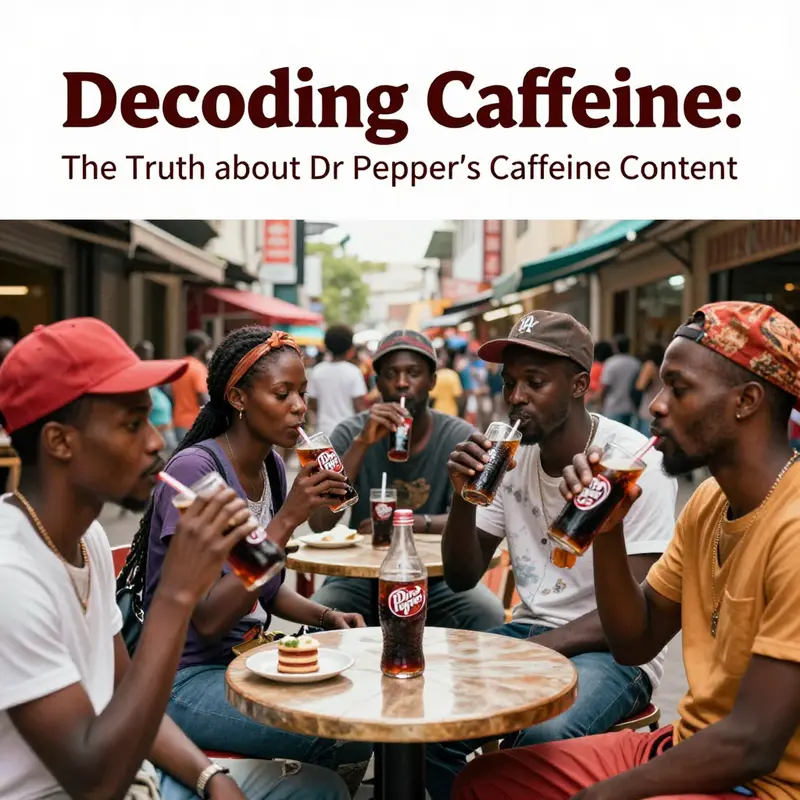
Across the global beverage landscape, a single number—roughly 41 milligrams of caffeine per 12 fluid ounces—orbits a much larger conversation about energy, health, and everyday life. This chapter threads those threads into a cohesive tapestry, showing how different cultures interpret the same milligrams not as a mere measurement but as a social signal. The story begins in the country where Dr Pepper earned its first foothold, a setting that blends nostalgia with a belief in moderate stimulation. In the United States, the drink occupies a space that many people describe as a gentle energy boost rather than a jolt. It threads into afternoon rituals, casual gatherings, and retro Americana with a sense of continuity rather than urgency. The caffeine content—the often-cited 41 milligrams per 12 ounces—becomes a baseline, a comfort that says, in effect, “this is enough to keep conversations flowing and afternoons moving, without displacing the day’s broader rhythms.” Coffee, with its cultural role as morning fuel and productivity symbol, occupies a different cultural tier. The soda’s caffeine works in the background, supporting sociability and repose more than work intensity. That positioning—moderate, approachable, almost conversational—helps explain why the same figure is perceived so differently depending on where one stands in the world’s coffee continuum.
In Japan and South Korea, markets with meticulous attention to labeling and wellness trends, caffeine intake is often considered alongside sleep quality, dietary balance, and the cumulative effects of daily caffeine consumption. Here, the same 41 milligrams can prompt questions about sleep, focus, and how a person feels after a day of activity. The cultural impulse tends toward transparency and choice: if a market offers variants that are caffeine-free or lower in caffeine, consumers may opt for them as part of a broader wellness strategy. The result is a nuanced appreciation of what a “moderate” amount means in practice. It’s not simply a number on a can; it’s a prompt to consider personal tolerance, health goals, and the sleep that follows a late afternoon snack. In these environments, the idea that a beverage carries a measurable stimulant invites scrutiny and conversation, rather than dismissal or unexamined consumption. Acknowledging caffeine content becomes a form of consumer agency, and it nourishes a marketplace where options grow in response to demand for clarity and choice.
Across Europe, the caffeine conversation often moves through comparisons. Here, the 41 milligrams per 12 ounces is weighed against a cup of espresso, which often delivers substantially more caffeine in a single shot, and against tea, which generally presents a lighter profile. The framing tends to emphasize moderation and balance within a crowded beverage landscape that also includes energy drinks, artisanal coffees, and a rising tide of low- and no-sugar options. In this setting, Dr Pepper is less a source of a high-energy pulse than a flavorful waypoint—an occasion to pause, share, and hydrate within a spectrum of caffeine experiences. The cultural lens reframes the drink as part of a larger dialogue about what “moderation” means in daily life, how people manage caffeine to fit work, study, or leisure, and how flavor can coexist with a measured stimulant profile.
A persistent thread in global discourse is a familiar myth: that Dr Pepper contains more caffeine than coffee. This narrative crops up in online communities and social media, where speed and sensationalism can distort precise figures. The reality offers a more nuanced picture. A standard drip coffee easily surpasses 65 milligrams per 8-ounce cup, and many brews push higher still, depending on roast, grind, and brew method. In other words, the 41 milligrams in a 12-ounce can are not a competing force against coffee as a caffeine powerhouse; they are a mid-range stimulant, aligned with a soda’s purpose: quick refreshment, social connection, and a light lift that doesn’t overshadow the rest of the day. The persistence of the myth speaks to the cultural associations that surround Dr Pepper—its distinctive flavor, its storied history, and its reputation as a “unique” soda. When a narrative gains momentum, numbers can acquire a life of their own, even when evidence points elsewhere. The Healthline analysis, noted in scholarly discussions of caffeine content, helps ground these conversations in transparent comparisons, situating Dr Pepper’s caffeine within a broader spectrum of beverages while debunking hyperbole with clear data.
The cultural interpretation of 41–42 milligrams per 12 fluid ounces therefore becomes a commentary on how societies negotiate energy, health, and daily rhythm. In the United States, where the drink was born, the figure fits a lifestyle that prizes sociability and an unhurried pace of life in many regional traditions. It anchors moments of shared leisure—a ball game, a family meal, a late afternoon break—where a small caffeine nudge accompanies conversation and memory rather than a demanding work tempo. In Asia, the same amount invites a different calculus: it may be seen as a measured amount, enough to sustain focus without compromising sleep, enough to allow for a mindful approach to caffeine intake in a culture that often prioritizes long-term wellness and sleep quality. In Europe, the equation shifts again, with the caffeine landscape dominated by a landscape of options where 41 milligrams is a moderate reference point against a chorus of stronger and weaker beverages. The shared thread across these regions is not sameness but resonance—the recognition that a beverage’s caffeine content can be a cultural cue that shapes when, why, and how people reach for it, rather than a solitary numeric truth.
Embedded within this cultural discourse is a broader conversation about labeling, health claims, and consumer education. Regions with stringent labeling standards empower individuals to make informed choices about caffeine intake, sugar, and other ingredients. Markets that emphasize wellness may actively diversify offerings to include caffeine-free versions or lower-caffeine variants, responding to consumer demand for autonomy and transparent information. The existence of caffeine-free options—an option that exists in several markets—illustrates how a global product can adapt to varied health norms without erasing its identity. The shift toward clarity often arrives alongside digital communities that continually reframe what a particular caffeine level means in everyday life. In this sense, the 41 milligrams per can become not just a statistic but a talking point that captures how people think about energy, health, and the balance between pleasure and restraint.
For readers seeking a blunt, numerical reference, the consensus remains that a 12-ounce can contains around 41 milligrams of caffeine, with occasional reports of slightly higher values for different formulations or vintage batches. Yet the cultural resonance of that number matters as much as the number itself. It frames how people approach the beverage in social spaces, influences expectations across markets with different health norms, and helps explain why a single product can weave itself into such diverse everyday rituals. The allure lies not in contradicting facts but in revealing how a simple caffeine figure can become a cultural asset—one that sparks conversation about sleep, productivity, taste, and memory. This layered understanding helps readers move beyond a binary question of “how much caffeine” to a richer inquiry about why that amount matters in the places people call home.
For those curious about how this topic translates into concrete choices in the kitchen or on the go, a practical note emerges. The caffeine content of a beverage often intersects with broader preferences for flavor, sweetness, and the overall balance of a drink. People may choose a lower-caffeine option as part of a personal strategy to wind down after the day or to avoid late-night disruption. Others may select a higher-caffeine alternative when a longer stretch of focus is needed. Across cultures, this adaptability signals a mature consumer landscape in which a single, modest caffeine figure serves as a launching point for personal customization rather than a universal rule. In that sense, the global conversation about Dr Pepper’s caffeine becomes a case study in how modern societies negotiate energy through taste, tradition, and increasingly transparent information.
As readers explore these cross-cultural currents, they can also consider the ecosystem of information that shapes perception. The Healthline analysis cited in contemporary discussions provides a reliable anchor for comparing Dr Pepper’s caffeine with coffee and other beverages. This context helps prevent myths from distorting truth and invites readers to engage with data when weighing how much caffeine they want in their day. The complexity lies in appreciating both the number and the narrative it supports. The number alone captures a modest energy lift; the narrative captures a global discourse about health, choice, and cultural memory. In the end, the 41–42 milligrams per can become more than a simple fact. It becomes a doorway into how different communities connect with a familiar flavor, what they expect from their drinks, and how they balance stimulation with the other demands of modern life.
For readers wanting to explore related threads on this topic, there is value in broader conversations about caffeine across beverages and regions. A deeper dive into how caffeine content translates into daily routines can be found in external resources that crystallize the numeric aspects while acknowledging cultural nuance. Readers may also wish to compare these figures with other popular sodas or non-soda options to map a fuller picture of how caffeine figures into dietary patterns around the world. The conversation is not merely about a can of soda; it is about how people form preferences, manage health, and navigate social rituals in an era of abundant beverage choices.
External resource: Healthline provides a clear, evidence-based breakdown of Dr Pepper’s caffeine content, including comparisons to coffee and other beverages, and addresses common myths—making it a valuable reference for readers who want a concise numeric grounding in the broader cultural context.
how-much-caffeine-in-dr-pepper-zero
External resource: Healthline caffeine content article: https://www.healthline.com/nutrition/dr-pepper-caffeine-content
Final thoughts
In summary, the caffeine content of Dr Pepper, primarily at 41 mg per 12 fl oz can, serves as a pivotal factor for businesses in the beverage industry. By understanding and conveying this information, business owners can make educated decisions about serving products that align with consumer preferences and health considerations. The subsequent chapters have provided insights into other sodas, health implications, and cultural appreciations of caffeine consumption, solidifying the relationship between product knowledge and customer satisfaction.