

The Rise of Instant Coffee in the Food and Beverage Industry
In the fast-paced world of food and beverage, the surge in popularity of instant coffee is turning heads, particularly among business owners. Instant coffee has evolved from a mere convenience to a trendy staple in cafés and restaurants, appealing to a diverse clientele seeking quality and convenience in one cup. Recent surveys indicate that around 70% of coffee drinkers worldwide have tried instant coffee at least once, a significant leap from just a few short years ago. This trending preference reflects a growing demand for quick yet satisfying beverages, providing a lucrative opportunity for entrepreneurs keen on tapping into this market.
However, with opportunity comes responsibility. For business owners, understanding the shelf life of instant coffee is crucial for effective inventory management and maintaining customer satisfaction. A short shelf life can lead to wasted product, impacting profit margins and customer trust. Conversely, an adequate understanding of product longevity can empower businesses to maximize their stock efficiency while ensuring that customers always receive fresher, high-quality products. By learning about the shelf life of instant coffee and integrating it into inventory strategies, businesses can enhance operations and provide superior service, positioning themselves for sustained success in this rapidly evolving industry.
Key Factors Influencing the Shelf Life of Instant Coffee
As business owners in the coffee industry, understanding the factors that influence the shelf life of instant coffee is crucial for maintaining product quality and ensuring customer satisfaction. Here are key factors to consider:
-
Moisture Content: Instant coffee is hygroscopic, meaning it absorbs moisture from the environment. Ideally, moisture content should be between 2% to 4%. Exceeding this level can lead to clumping and quality degradation. (source)
-
Packaging: Using airtight packaging helps to protect instant coffee from exposure to air, moisture, and light, all of which can accelerate spoilage. Well-sealed containers can extend freshness significantly. (source)
-
Storage Conditions: Keeping instant coffee in cool, dark places away from heat sources and humidity enhances its shelf life. A consistent temperature can prevent degradation. (source)
-
Exposure to Air: Frequent opening of the packaging allows air to enter, which can result in oxidation that diminishes flavor. Minimizing exposure is vital for longevity. (source)
-
Quality of Ingredients: The type and quality of ingredients used in instant coffee can also affect shelf life. Additives like creamers or sweeteners can alter how products react to environmental conditions, impacting freshness. (source)
By considering these factors, business owners can implement better practices for preserving the quality of their instant coffee products, ensuring they remain appealing and fresh for consumers.
| Brand | Shelf Life | Packaging Details | Notes |
|---|---|---|---|
| Nescafé Classic | 2 years | Glass jar | Popular for its classic flavor. |
| Starbucks VIA | 2 years | Single-serve packets | Convenient for on-the-go preparation. |
| Mount Hagen | 3 years | Glass jar | Organic and premium quality. |
| Taster’s Choice | 2 years | Glass jar | Known for its reliable taste. |
| Folgers Instant | 2 years | Canister | Widely available and affordable. |
| Maxwell House | 2-3 years | Canister | Popular with a smooth flavor. |
| Douwe Egberts | 2 years | Glass jar or sachets | European brand with a rich flavor. |
| Hills Bros. | 2 years | Canister | Known for its distinct taste. |
When it comes to instant coffee, shelf life preservation is crucial for maintaining quality and flavor. An expert from Cartograph Coffee suggests,
“To maintain the freshness of instant coffee, it’s best to store it in a cool, dark, and dry place. An airtight container helps keep moisture and air out, extending the shelf life significantly. Remember, instant coffee can last for years if stored properly, but its flavor tends to degrade over time.”
By following these expert recommendations, business owners can ensure their coffee products remain fresh and appealing to customers. For more information on coffee storage, you can learn more about coffee life.
Proper Storage Techniques for Instant Coffee
To ensure that your instant coffee maintains its flavor and extends its shelf life, proper storage techniques are essential. Here’s a guide for business owners to effectively store instant coffee:
1. Keep It Sealed
The first rule of thumb is to store instant coffee in an airtight container. This prevents exposure to air, which can lead to oxidation and loss of flavor. Consider using containers that have a vacuum-seal option for additional protection.
2. Ideal Temperature and Environment
Place the sealed container in a cool, dark, and dry location. The ideal temperature should be between 15°C to 23°C (59°F to 73°F). Avoid storing coffee near heat sources such as ovens or direct sunlight, as heat can degrade the quality significantly.
3. Control Humidity
Humidity is a major player in the shelf life of instant coffee. Store the coffee in a humidity-controlled environment. If you live in a humid area, consider using a desiccant packet inside the container to absorb moisture.
4. Avoid Refrigeration
Though it might seem practical to refrigerate instant coffee, it’s advisable against it. Refrigeration can cause condensation, which introduces moisture to the coffee when the container is brought back to room temperature. Stick to room temperature storage in a sealed container.
5. Check Expiration Dates
Always be mindful of the expiration date on your instant coffee packaging. While properly stored instant coffee can last for 2 to 20 years, its taste and effectiveness diminish over time. Regularly review your stock to ensure freshness and quality.
Implementing these techniques can significantly help in extending the shelf life of your instant coffee, allowing your business to serve the best quality to your customers.
For further insight on the shelf life of instant coffee, check out this article that offers valuable storage practices. Also, consider reading this informative discussion on how to keep instant coffee fresh for longer periods.
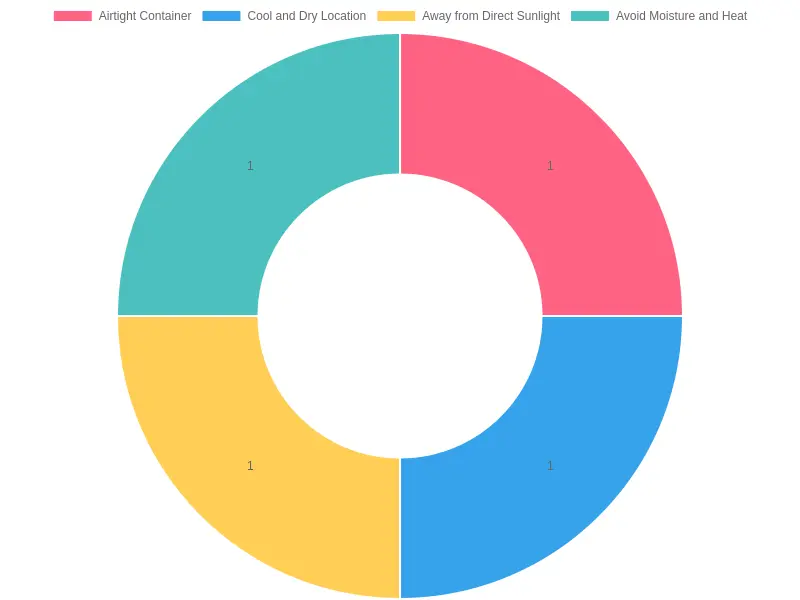
Best Practices for Storing Instant Coffee:
- Airtight Container: Store instant coffee in an airtight container to prevent exposure to air.
- Cool and Dry Location: Keep the container in a cool and dry place, away from heat sources.
- Away from Direct Sunlight: Ensure the storage area is dark and free from direct sunlight.
- Avoid Moisture and Heat: Moisture can cause instant coffee to clump and spoil; keep it away from humid areas.
For more details, check out Coffee Rich Life.
User Adoption Trends in Instant Coffee: 2023 Overview
The instant coffee market has seen a notable shift in consumer adoption trends in recent years, particularly in 2023. As more consumers prioritize convenience and quality, these factors play a pivotal role in their purchasing decisions, making instant coffee a growing segment in the coffee industry.
Convenience Drives Demand
The demand for instant coffee is largely driven by the rising lifestyle changes that favor convenience. Many consumers today, especially from younger generations like Millennials and Gen Z, are looking for quick solutions to their caffeine cravings. Instant coffee fits perfectly into this “on-the-go” mindset, offering a fast preparation time compared to traditional brewing methods.
Brands have recognized this trend, leading to innovations in their product lines. Companies have started producing instant coffee that closely resembles freshly brewed flavors and aromas, further enticing a market that seeks quality with convenience.
Growing Preference for Quality
Another key trend is the shift towards higher quality instant coffee products. Consumers are becoming increasingly discerning about what they consume. They are moving away from traditional, lower-quality instant coffees toward gourmet and premium options that promise better taste and enjoyment. This heightened awareness is pushing brands to enhance their offerings by sourcing higher-quality beans and diversifying flavor options.
Market Dynamics
With these shifts in consumer preferences, companies are not just selling instant coffee as a convenient option but are also positioning it as a viable alternative to brewed coffee. Improvements in packaging and marketing strategies are being employed to excite consumers about instant coffee as both a quick and quality choice. Many businesses are focusing on promoting their instant coffees through various marketing campaigns that highlight these enhanced qualities.
This emerging trend in the market is essential for business owners looking to tap into the delightful world of instant coffee. Understanding these preferences can help guide product development and marketing strategies to meet evolving consumer demands.
If you’re interested in more information about coffee trends, learn more about coffee market dynamics and how they affect purchasing habits.
In summary, the trends surrounding user adoption of instant coffee in 2023 are heavily influenced by the dual demand for convenience and quality. This evolving landscape offers both challenges and opportunities for businesses aiming to succeed in the coffee market.
Conclusion
As instant coffee continues to gain interest, companies must remain attuned to these trends, keeping convenience and quality at the forefront of their product development and marketing efforts.
Coffee Freshness Decline Over Time
The freshness of instant coffee declines over time significantly, depending on the storage condition. Below is a chart showcasing how various storage methods impact the freshness of instant coffee over a 12-month period.

| Storage Condition | 0 Months Freshness | 3 Months Freshness | 6 Months Freshness | 9 Months Freshness | 12 Months Freshness |
|---|---|---|---|---|---|
| Room Temperature | High | Medium | Low | Very Low | Stale |
| Refrigerated | High | High | Medium | Low | Very Low |
| Vacuum Sealed | High | High | High | Medium | Low |
For more information about maintaining the quality of your coffee, learn more about coffee storage.
Understanding these variables can help you make better choices for your inventory management and ensure that your coffee products stay fresh for your customers.
Sources:
Conclusion
In conclusion, understanding the shelf life of instant coffee is essential for business success in the coffee industry. By prioritizing shelf life, business owners can guarantee the freshness and flavor of their products, which directly influences customer satisfaction. As consumers increasingly seek quality in their coffee choices, those who can consistently deliver high-quality instant coffee will enhance their brand reputation and foster customer loyalty.
Implementing proper storage practices is crucial. This includes keeping instant coffee in a cool, dry place away from direct sunlight, ensuring that packaging is airtight, and regularly monitoring inventory to avoid selling expired products. Effective inventory management practices, such as first-in-first-out (FIFO) inventory systems, can also significantly reduce waste and optimize profit margins.
To thrive in this competitive market, business owners should embrace these practices to ensure their coffee remains fresh and appealing to customers. By doing so, they not only meet consumer demands but also solidify their position in the market. For more insights into enhancing your coffee business practices, check out Coffee Rich Life for additional resources and guides.
Effective inventory management is crucial for businesses dealing in instant coffee to maintain quality and satisfy customer demand. Here are some best practices specifically tailored for managing instant coffee inventory.
1. Understand and Monitor Shelf Life
Instant coffee typically has a shelf life ranging from 2 to 10 years, depending on packaging and storage conditions. It’s essential for business owners to:
- Regularly Check Expiration Dates: Monitor expiration dates closely to ensure that older stock is used first.
- Educate Staff: Ensure that staff is trained to understand the importance of shelf life and the effects of expired products on quality and customer satisfaction.
For detailed insights on the shelf life of instant coffee, you can learn more about coffee life.
2. Implement FIFO (First In, First Out) System
Utilizing the FIFO method is critical in managing inventory effectively. This approach operates on the principle that the first products received (or manufactured) should be the first sold. To successfully implement FIFO:
- Organize Storage Efficiently: Place older stock at the front of shelves while new stock goes at the back. This encourages employees to grab older products first.
- Label Products Clearly: Use clear labeling for different batches to make it easier for staff to identify older stock.
3. Use Inventory Management Software
Investing in inventory management software can streamline your processes significantly. Key benefits include:
- Real-Time Tracking: Allows businesses to keep track of stock levels, movements, and expiration dates in real time.
- Automated Alerts: Set up alerts for low inventory levels or items nearing expiration, preventing stockouts and waste.
For strategies and techniques on effective inventory management, check out this resource on general inventory management principles.
4. Optimize Stock Levels
Having optimal stock levels not only saves money but also improves cash flow. Here’s how to achieve this:
- Analyze Sales Trends: Review sales data regularly to understand demand patterns and adjust stock levels accordingly.
- Seasonality Considerations: Be aware of seasonal changes in demand for instant coffee, adjusting orders to prevent overstock or shortages.
5. Regular Inventory Audits
Conduct regular physical audits to ensure actual stock matches recorded stock levels. This helps identify issues such as:
- Theft or Loss: Unaccounted discrepancies in inventory.
- Overstocking: Identifying products that are overstocked and may be nearing expiration can help mitigate loss.
Regular audits also enable businesses to gauge the effectiveness of their inventory management practices.
6. Safe Storage Practices
Proper storage conditions play a vital role in maintaining the quality of instant coffee. Key practices include:
- Maintain Optimal Temperature and Humidity: Store instant coffee in a cool, dry place to prevent spoilage.
- Use Airtight Containers: Keeping instant coffee in airtight containers can extend its freshness and maintain quality.
Conclusion
By following these best practices for inventory management of instant coffee, business owners can ensure high-quality products, meet customer demand, and reduce waste. Implementing these strategies will not only enhance operational efficiency but also boost overall customer satisfaction.
For more tips on managing your coffee inventory, explore details in our Coffee Rich Life resources.