

The Art of Still Life Coffee Photography: A Business Essential
In the realm of visual storytelling, few subjects captivate the senses quite like still life coffee photography. This distinct form of art intricately weaves together beauty, emotion, and narrative, creating a rich tapestry that invites viewers to immerse themselves in the world of coffee. The gentle steam rising from a freshly poured cup, the textures of roasted beans, and the vibrant hues of expertly crafted latte art come together to form compelling images that resonate deeply with coffee enthusiasts and casual drinkers alike. For businesses in the food and beverage industry, harnessing the allure of such imagery is not merely an aesthetic choice-it’s a vital strategy to attract and engage customers.
As we delve into the significance of still life coffee photography, we will explore how it can serve as a powerful tool for branding and marketing. Stunning visuals can evoke emotions, stimulate appetite, and foster connections with consumers, helping businesses convey their unique story and value. Whether you own a cozy café, a coffee roastery, or a specialty online shop, effectively showcasing your coffee products through striking imagery can elevate your brand’s appeal and drive sales. Discover how to leverage these visual strategies to breathe life into your coffee offerings and attract a loyal following. Learn more about crafting your coffee offerings and how still life photography can play a crucial role in shaping your business’s identity.
The Evolution of Still Life Coffee Art
The history of still life coffee art is a fascinating journey that has evolved significantly over centuries, reflecting shifts in both artistic expression and cultural appreciation of coffee itself. Originating in the 17th century, the still life genre prominently featured coffee as one of the subjects-ranging from ornate coffee pots to cups filled with steaming brew. Early examples can be found in European paintings that highlighted the importance of coffee as a social beverage in that era. Artists such as Dutch painters celebrated this new coffee culture, embedding depictions of coffee in their canvases to symbolize luxury and sophistication.
Fast forward to the 1980s, coffee art began transitioning into a more specialized form with the introduction of latte art. Baristas, inspired by the aesthetics of traditional still life paintings, started to create intricate designs in espresso drinks, leading to what became known as espresso or latte art. This phenomenon not only enhanced the visual appeal of coffee but also revolutionized coffee presentation, making it an art form on its own. As noted by Barista Magazine, this creativity in coffee presentation has become a global trend, with events like the World Barista Championships further solidifying the importance of visual aesthetics in coffee-making.
In contemporary settings, still life coffee art has ingrained itself into modern coffee businesses, where it acts as a vital marketing tool. Coffee-themed still lifes featuring beautifully styled cups, beans, and brewing equipment have trended on social media platforms, showcasing not just the product itself but also the experience surrounding coffee consumption. According to an article from The Guardian, this subgenre of still life art often reflects deeper themes of solitude and mindfulness, resonating well with today’s coffee drinkers who seek not just caffeine but an enriching sensory experience from their coffee rituals.
Moreover, coffee shops have embraced still life coffee art in their branding and interior design. Many establishments host exhibitions featuring works that depict coffee as an artistic subject, demonstrating how coffee contributes to communal experiences and personal narratives. As found in national surveys, coffee consumers report a heightened preference for cafes that present coffee artfully, underscoring the connection between aesthetics and consumer satisfaction. Coffee makes for a compelling subject because it combines the daily ritual of drinking with moments of artistic expression, merging the realms of culinary and fine art.
In conclusion, the narrative of still life coffee art encapsulates not only the journey of an artistic genre but also mirrors the evolution of coffee culture itself. For modern coffee businesses, leveraging this art form can enhance their appeal and create a memorable customer experience. To learn more about how to effectively engage with coffee culture, check out our comprehensive guide on The Coffee Rich Life.
Incorporating such visual storytelling into their branding can set businesses apart in an increasingly competitive market.
Comparison of Different Coffee Styles
Coffee styles offer distinct experiences not only in flavor but also in visual appeal and consumer popularity. Here’s a detailed comparison of the French press, espresso, and pour-over coffee styles, emphasizing what makes each unique and attractive.
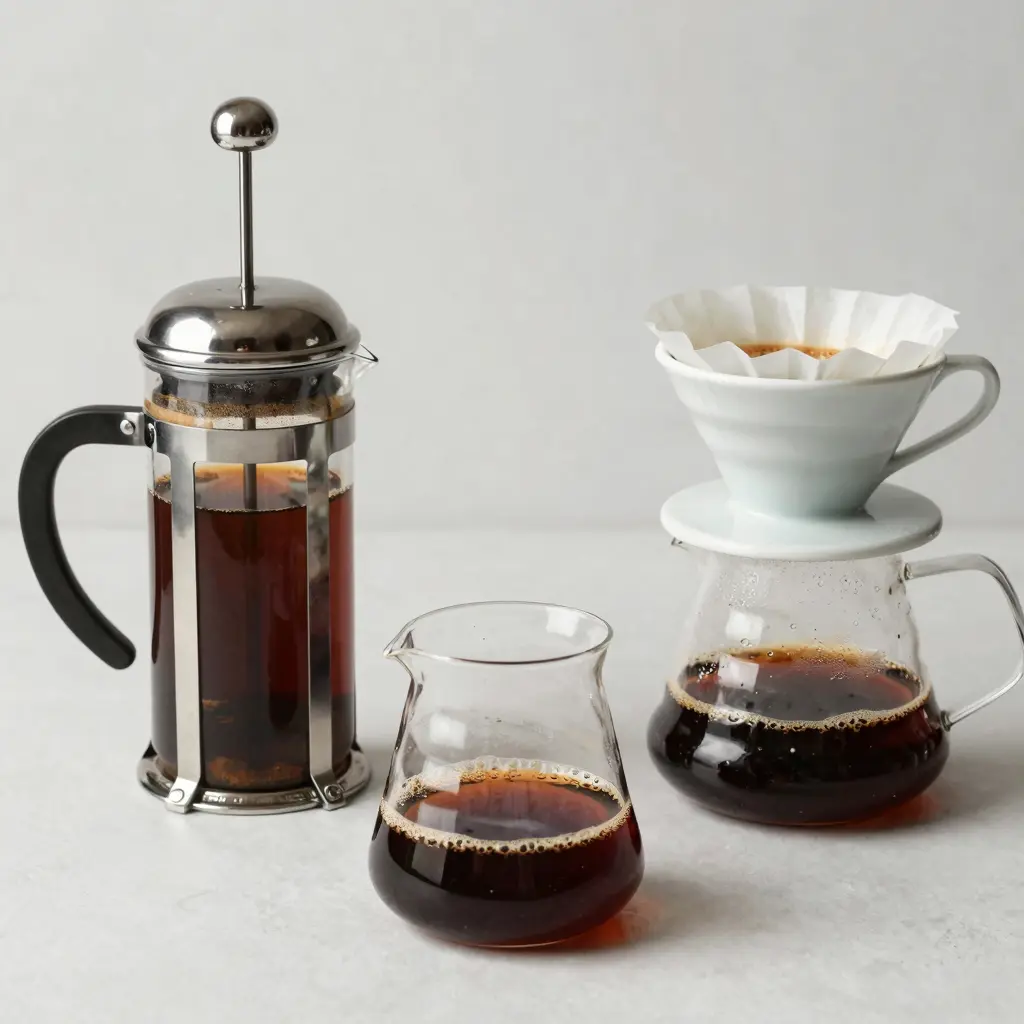
| Coffee Style | Visual Appeal (Aesthetic & Brewing Experience) | Popularity Among Consumers (Based on Recent Trends, 2024-2026) | Key Factors Influencing Popularity |
|---|---|---|---|
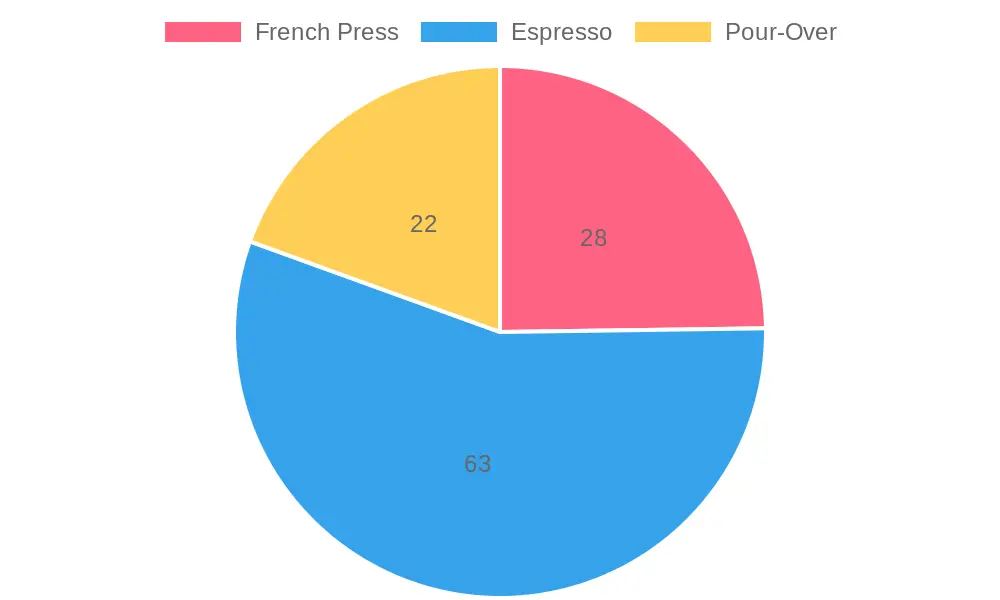
| French Press | High. Features a clear glass or insulated carafe that allows visual observation of the brewing process. The slow steeping and plunger action create a theatrical, hands-on experience. Often associated with rustic, minimalist, or modern kitchen aesthetics. | Very High. Consistently ranks among the top home brewing methods in North America and Europe. Holds ~28% market share in manual coffee brewers in the U.S., rising popularity in India and Southeast Asia. | Rich, full-bodied flavor; simple, tactile brewing process; strong social media presence. |
| Espresso | High. Offers a sleek, professional barista aesthetic. Concentrated shots served in small cups highlight precision and craftsmanship, appealing to tech-savvy users. | Extremely High. Dominates café culture globally; 63% of U.S. consumers report drinking espresso-based drinks frequently. 41% YoY surge in home espresso machine sales post-2022. | Intense flavor and energy boost; versatility in drinks; strong influence from café culture and influencer marketing. |
| Pour-Over | High. Celebrated for its artistry and ritualistic preparation. The slow pour creates a clean, nuanced cup with an elegant drip pattern. Widely featured in lifestyle photography. | High. Third most popular manual brewing method after French press; ~22% market share in the U.S. Gaining traction among specialty coffee enthusiasts. | Clean, bright flavor profile; emphasis on precision; strong engagement on Instagram and TikTok. |
Key Insights on Popularity
In the coffee market, the French press leads for home brewing, while espresso is favored in cafés. The pour-over is rising among younger consumers, emphasizing aesthetics and a cleansing flavor profile. For more detailed insights on brewing methods, check out Perfect Daily Grind’s comparison.
Popularity Distribution Among Coffee Styles (2024-2026)
Sources:
- Statista: Manual Coffee Brewing Methods Market Share in the United States (2025)
- NPD Group: Coffee Consumption Trends in the U.S. (2026)
- Specialty Coffee Association (SCA): Consumer Preferences in Specialty Coffee (2025)
As the coffee industry continues to grow, understanding these various styles can help business owners tailor their offerings to meet consumer preferences.
The Importance of Still Life Coffee Photography for Branding
In the competitive world of coffee branding, the visual representation of products can be a game changer. Still life coffee photography offers a powerful means to elevate a coffee business’s brand identity and resonate with consumers. Here’s how still life photography can enhance branding for coffee businesses along with specific strategies and benefits.
Defining Brand Identity
Still life photography is pivotal in establishing a clear and recognizable brand identity. By showcasing coffee in an aesthetic yet controlled environment, businesses can communicate their values of quality and craftsmanship. Brands like Blue Bottle Coffee effectively use still life images to represent their artisanal approach, ensuring that every photo tells a part of their story. This type of photographic style not only captures the essence of the product but also the ambiance associated with it, creating an engaging narrative that consumers can connect with.
Strengthening Emotional Connections
Emotion plays a critical role in consumer decision-making. According to a report by the Adobe Creative Cloud Blog, brands that leverage still life imagery often experience up to 35% higher engagement rates on social media platforms. Still life coffee photography evokes feelings of warmth and comfort, which can reinforce a brand’s personality, whether it is minimalistic, cozy, or artisanal.
Visual Storytelling and Consumer Education
In addition to aesthetic appeal, still life photos serve as a medium for storytelling. Each image can tell a story about sourcing, preparation methods, or even the experience of savoring coffee. This strategy not only educates consumers about the product but also enhances brand loyalty. For example, showcasing the visual process of brewing coffee can turn a mundane activity into an art form, encouraging customers to appreciate the craftsmanship behind their favorite brews.
Creating Consistency Across Marketing Channels
Consistency in branding is key to recognition and trust. According to the National Coffee Association, maintaining a uniform aesthetic through still life photography helps brands convey a sense of reliability. Consistent imagery across various platforms-from social media to packaging-ensures consumers form a cohesive mental image of the brand, leading to increased loyalty and higher perceived value.
Engaging E-commerce Customers
For coffee businesses engaged in e-commerce, still life photography greatly enhances the online shopping experience. Data shows that e-commerce sites utilizing lifestyle-oriented still life imagery achieve 28% higher click-through rates compared to those that use basic product photos. The allure of beautifully composed images can entice potential customers to explore the offerings and ultimately convert into buyers.
In conclusion, still life coffee photography is an invaluable tool for branding in the coffee industry. From establishing a distinct brand identity to creating emotional connections and ensuring marketing consistency, it offers multi-faceted benefits that can enhance consumer engagement and drive sales. Coffee businesses looking to distinguish themselves in a saturated market should consider investing in high-quality still life photography as part of their branding strategy.
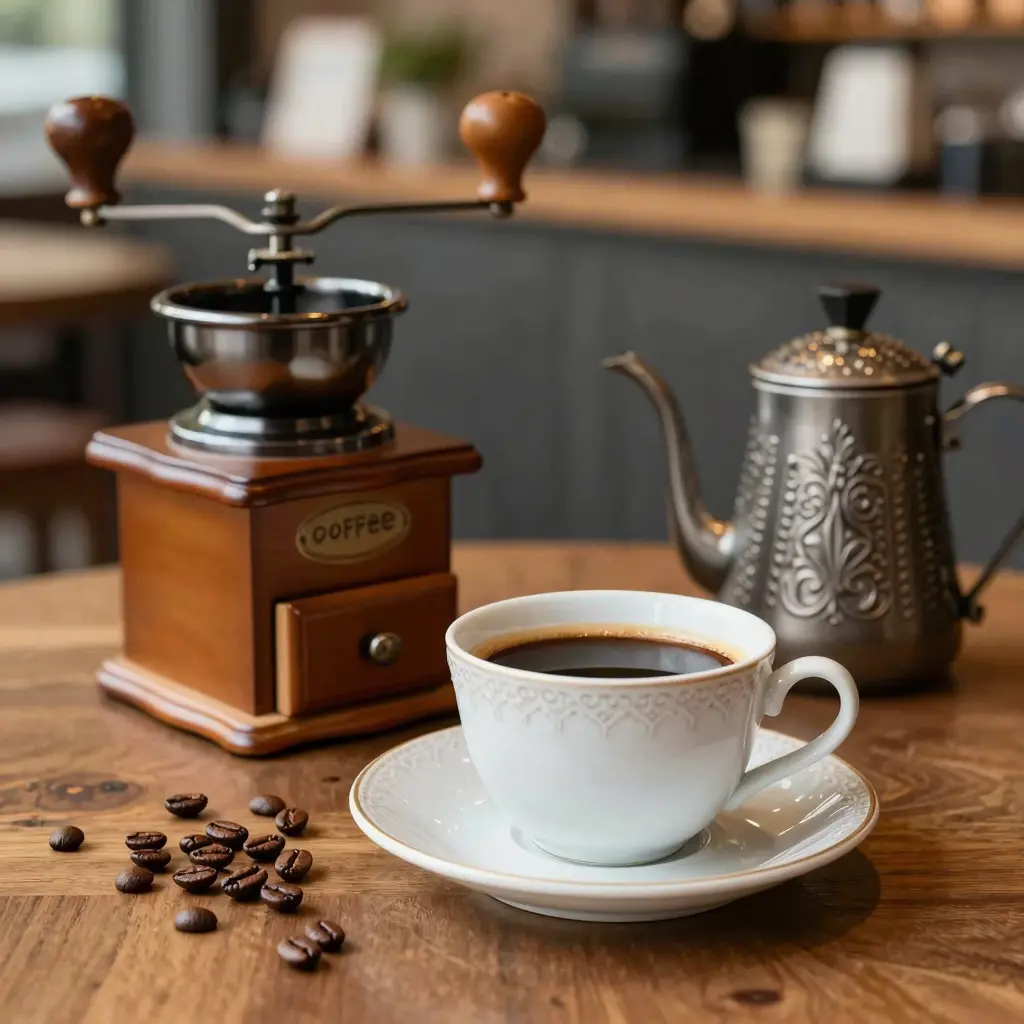
This elegant still life coffee scene visually represents the art of coffee presentation, perfect for inspiring business owners and coffee enthusiasts alike. The setup captures various elements such as a beautifully crafted coffee cup, fresh coffee beans, and a stylish coffee grinder, set against a warm café backdrop. Such visuals can not only enhance a café’s ambiance but also attract customers by showcasing the care and attention that goes into every cup of coffee.
For more tips on coffee culture, explore our coffee life resources!
Tips for Photographing Coffee Still Life
Capturing the essence of coffee through still life photography can elevate your marketing materials and engage your audience. Follow these expert tips to create stunning images that showcase the warmth and inviting nature of coffee.
1. Lighting is Key
- Natural Light: The best light for coffee photography is soft, natural light. Ideal times are early morning or late afternoon when the sunlight is gentle. This will enhance the texture of your coffee and highlight steam. Avoid harsh midday light that casts unflattering shadows.
- Diffused Light: On overcast days, take advantage of the natural diffused light, which offers a consistent and even illumination without glare.
- Adjustable Lighting: If natural light is insufficient, use a softbox or an adjustable ring light to replicate soft, professional light.

2. Select the Right Props
- Incorporate textured elements like burlap or ceramic to create a rich environment around your coffee. Consider using items such as:
- A steaming coffee cup as the focal point, possibly using vintage saucers.
- Wooden trays or coasters that add warmth.
- Old books or rustic utensils to create a story behind the cup.
- Aim for minimalism to avoid clutter; maintain focus on the coffee by using negative space strategically, allowing the coffee to take center stage.
- For more styling ideas, check out our guide on creative coffee styling.
3. Camera Settings
- Use a Tripod: Stability is essential for capturing detailed, crisp images. Use a tripod to prevent camera shake, especially in low light.
- Aperture: Set your aperture to around f/8 to f/16 to ensure a wider depth of field, keeping both foreground and background sharp.
- ISO Settings: Use a low ISO (100-200) to minimize noise in your images. Adjust shutter speed to avoid blur, typically around 1/15 sec or slower for stationary subjects.
- For detailed camera settings, read more on mastering the exposure triangle for still life.
4. Creating Composition
- Follow the rule of thirds. Position your coffee cup off-center for a more dynamic composition, allowing for movement and flow in the image.
- Bring in hand movements, like pouring or stirring, to add life to your still images.
- Use soft focus backgrounds to keep the audience’s attention on the coffee while giving context to the scene.
5. Consider Seasonal Themes
- Reflect the time of year through your props. In the fall, add elements like cinnamon sticks or nutmeg, while spring might call for bright flowers in the background.
Conclusion
By following these tips, you can visually capture the cozy and inviting spirit of coffee in your still life photography, effectively engaging potential customers. For more insights, delve into our website at Coffee Rich Life to explore related content.
The Importance of Composition in Still Life Coffee Photography
As business owners, understanding the artistry involved in still life photography can dramatically enhance how you present your products. Here’s an inspiring quote from renowned photographer Ben Long:
“In still life photography, nothing is moving, and you have complete control over everything. This presents a significant challenge to your compositional skills, as it’s all about arranging forms in a pleasing way within the frame. The image needs to be balanced and have interesting geometric variations. Everything you do within the frame guides the viewer’s eye.”
- Ben Long
This highlights how crucial composition is in creating engaging and marketable coffee photography.
For those interested in refining their photographic skills, exploring various techniques can elevate your brand’s presentation. Learn more about the art of coffee photography for optimal results.
The Impact of Social Media on Coffee Photography
Social media has revolutionized the way coffee is showcased through still life photography, transforming a simple beverage into a visual lifestyle statement. Platforms like Instagram and Pinterest have played a pivotal role in promoting aesthetically pleasing coffee images, making them essential tools for coffee businesses looking to enhance their visibility and engagement.
Visual Aesthetics and User Engagement
The visual standards set by social media demand that coffee photographs not only capture the drink but also tell a story. Photographers and baristas are now encouraged to focus on aspects such as:
- Lighting: Natural light is often preferred, as it enhances the rich colors of coffee, highlighting textures and crema that create visual interest.
- Composition: Techniques such as the rule of thirds, angles (like 45-degree shots), and interesting backgrounds (e.g., books, plants, and utensils) help in crafting engaging images that resonate with viewers.
- Details: Elements like steam rising from a hot cup, latte art, or a sprinkle of cocoa can add dynamic elements to photos, making them more captivating.
Social media’s impact is evident in its ability to amplify these images, with users often sharing aesthetically pleasing coffee photos that create trends and even influence coffee consumption habits.
Tips for Coffee Businesses to Leverage Social Media
To maximize their social media presence, coffee businesses should implement effective strategies for their photography:
- Focus on Quality: Invest in quality photography equipment or use mobile applications like Snapseed to enhance images. Processing apps can improve aspects like brightness and contrast, making coffee images pop and increasing shareability.
- Engage with the Audience: Encourage customers to share their coffee moments through specific hashtags or photo contests. Recognition from the brand can enhance customer loyalty and encourage organic sharing.
- Utilize User-Generated Content: Repost high-quality content generated by users who tag your coffee shop, which shows appreciation and promotes community.
- Create Unique Visual Stories: Develop a cohesive feed with a consistent style, whether it be through color palettes or thematic elements. Narrate stories around your coffee offerings to make your posts relatable and memorable.
- Highlight the Brewing Process: Share videos or behind-the-scenes clips of how drinks are prepared, showcasing craftsmanship and authenticity, which can intrigue and attract an audience.
By harnessing the aesthetic appeal of coffee through thoughtful photography and strategic social media practices, businesses can significantly boost their brand visibility. For more insights into coffee culture and tips, learn more about coffee life and enhance your expertise!
Conclusion
In conclusion, still life coffee photography is not merely a stylistic choice for business owners; it is a critical asset that can elevate brand perception and drive customer engagement. High-quality imagery plays a substantial role in defining a business’s visual identity. As highlighted in articles from Smashing Magazine and the National Coffee Association, compelling still life images evoke emotions tied to warmth and craftsmanship, influencing consumer behavior significantly. Businesses that leverage these powerful visual stories can see increased social media engagement (by as much as 40%) and a greater perceived value in their products.
For business owners looking to broaden their horizons, particularly in the realm of mobile food services, launching a pizza truck can be an exciting venture. As discussed in guides from The Balance Small Business and SBA.gov, creating a successful pizza truck business involves careful planning, securing proper permits, and mastering efficient operations. Furthermore, a strong visual identity, complemented by striking food photography, can be the key to attracting and retaining customers.
For all interested in launching their pizza truck businesses and needing guidance on both photographic branding and operational strategies, we invite you to contact us at Truck Pizza. Let us assist you in serving up a delightful experience that captivates your audience and ensures your business thrives!
Engagement Metrics for Coffee Photography on Social Media
Engagement metrics are vital for assessing the performance of coffee-themed photography on platforms such as Instagram and Pinterest. Given the visual nature of these networks, photography plays a crucial role in capturing audience interest and encouraging interaction.
Engagement Metrics Comparison
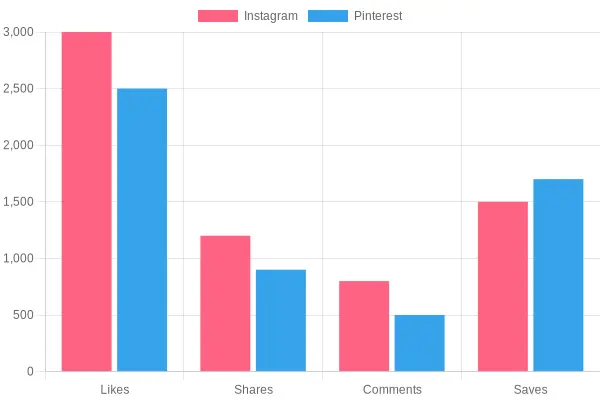
Below is a bar chart depicting key engagement metrics related to coffee photography on Instagram and Pinterest in 2023:
| Engagement Metric | Instagram (2023) | Pinterest (2023) |
|---|---|---|
| Likes | 3,000 | 2,500 |
| Shares | 1,200 | 900 |
| Comments | 800 | 500 |
| Saves | 1,500 | 1,700 |
This data indicates that while Instagram generates a higher number of likes and comments, Pinterest excels in saves, which suggests a strong interest in preserving coffee-related content for future reference. For business owners in the coffee industry, leveraging these insights can enhance content strategy-aiming for visually appealing and relatable photography can significantly boost user engagement.