

Understanding the Half-Life of Caffeine in Coffee: A Business Perspective
Did you know that the half-life of caffeine in coffee can range from about 2.5 to 5 hours, depending on factors like age, body weight, and overall health? This surprising fact has significant implications not just for coffee lovers, but especially for business owners who rely on peak productivity and alertness throughout their workday. As caffeine is absorbed into the body, it can enhance alertness and cognitive function, making it a common choice to fuel long hours and difficult tasks. However, understanding its half-life is crucial; consuming a cup of coffee too late in the day can lead to disrupted sleep patterns and consequently impact performance the following day. Therefore, savvy business owners can strategically manage their caffeine intake to optimize work output while avoiding burnout and stress. To explore more about the effects of caffeine on productivity and how to balance it within your work culture, visit our Coffee Rich Life page for insights.
Caffeine Metabolism: Understanding the Process
Caffeine metabolism refers to how the body breaks down and eliminates caffeine after consumption. Most of this process occurs in the liver and involves specific enzymes, primarily from the cytochrome P450 enzyme family. Here’s a detailed look at caffeine metabolism and the factors that affect its half-life:
How Caffeine is Metabolized
- Absorption: When caffeine is consumed, it is rapidly absorbed into the bloodstream. Its peak concentration occurs within 30 to 60 minutes after ingestion.
- Liver Processing: Caffeine is primarily metabolized in the liver by the enzyme CYP1A2, which transforms caffeine into three main metabolites:
- Paraxanthine
- Theobromine
- Theophylline
- Physiological Effects: These metabolites influence various physiological functions, including fat mobilization and increased heart rate.
Half-Life of Caffeine
- The half-life of caffeine, which is the time it takes for half of the caffeine to be eliminated from the body, typically ranges from 3 to 7 hours. However, this duration can vary widely based on individual differences and other factors.
Factors Affecting Caffeine Half-Life
- Genetic Variability: Some people have genetic variants that make them metabolize caffeine faster or slower. The CYP1A2 gene plays a significant role in this variability.
- Age: Generally, as individuals age, their metabolism slows, leading to a longer half-life of caffeine.
- Gender: Hormonal fluctuations can affect caffeine metabolism, especially in women during their menstrual cycle or pregnancy, potentially slowing the process.
- Medications and Health Conditions: Certain medications (e.g., some antidepressants) and health conditions (like liver disease) can inhibit caffeine metabolism, leading to increased duration in the system.
- Lifestyle Factors: Smoking induces the enzymes responsible for breaking down caffeine, resulting in a faster clearance rate.
Understanding caffeine metabolism is crucial for business owners in the food and beverage industry as it influences consumer behavior and product formulation. By providing insights into how caffeine functions within the body, businesses can better market their caffeine-containing products. For more information on coffee consumption and health, learn more about our coffee insights.
Whether you’re considering launching new products or simply seeking to enhance your knowledge about caffeine, understanding these metabolic processes can guide your strategies effectively.
Comparison of Caffeine Half-Lives in Various Beverages
Caffeine affects individuals differently based on various factors, including genetics, lifestyle, and diet. Below is a table comparing the average half-lives of caffeine in coffee, tea, and energy drinks, as well as influential factors affecting these half-lives.
| Beverage Type | Average Half-Life (hours) | Influential Factors |
|---|---|---|
| Coffee | 3 to 7 | Individual metabolism, dosage, liver function |
| Tea | 5 to 6 | Typically lower caffeine content, individual metabolism |
| Energy Drinks | 3 to 5 | Other ingredients (sugar, stimulants), individual metabolism |
Influential Factors
Caffeine metabolism is influenced by several factors:
- Genetics: Variations in metabolic enzymes can cause significant differences in how individuals metabolize caffeine.
- Smoking: Smokers tend to metabolize caffeine faster compared to non-smokers.
- Pregnancy: Pregnant individuals may experience longer caffeine half-lives due to hormonal changes.
- Medications: Certain medications can also affect how caffeine is processed in the body.
For more insights into how caffeine affects health, consider reading this detailed summary on the pharmacology of caffeine or exploring variations in caffeine metabolism at Coffee & Health.
Implications for Business
Understanding caffeine’s half-life can significantly impact scheduling coffee breaks, work performance, and overall employee productivity. The half-life of caffeine typically ranges from 3 to 7 hours, varying from person to person based on factors like genetics, metabolism, and lifestyle. This variability has crucial implications for business owners looking to maximize their employees’ efficiency and productivity.
Scheduling Coffee Breaks
For business owners, deciding when to schedule coffee breaks can be pivotal. Research indicates that moderate caffeine consumption can enhance alertness and concentration, particularly in the morning or during fatigue dips. Therefore, strategically timing coffee breaks-ideally in the mid-morning or early afternoon-can help employees recharge and maintain focus during critical tasks. If breaks are scheduled too late in the day, the caffeine can disrupt employees’ sleep cycles, negatively affecting their productivity the following day.
Work Performance Enhancement
Caffeine is shown to improve cognitive performance, especially in tasks requiring sustained attention. By harnessing this effect, businesses can boost overall output. For example, ensuring that employees consume caffeine before challenging tasks can lead to better performance outcomes. Nevertheless, it’s essential to limit caffeine to avoid adverse effects such as anxiety and sleep disturbances, which can ultimately hinder productivity.
Overall Employee Productivity
Business owners must acknowledge that while caffeine can be a performance enhancer, overconsumption or mismanagement of timing can counteract its benefits. Employees should be encouraged to consume caffeine moderately, respecting their individual tolerance levels. As part of a broader productivity strategy, tailoring the caffeine schedule to suit the team can foster an environment conducive to enhanced efficiency and performance. Such considerations are crucial for driving organizational success and maintaining a healthy workforce.
As you rethink your coffee strategy in the workplace, learn more about coffee’s impact on productivity and explore how it can enhance your team’s performance without detracting from their well-being.
Incorporating Expert Insights on Caffeine Half-Life
The half-life of caffeine in the human body is widely recognized to vary between 3 to 7 hours, depending on several physiological factors, such as:
- Metabolism Variability: Individual genetic differences can significantly influence caffeine metabolism.
- Age and Health: Younger adults generally metabolize caffeine more quickly than older adults or pregnant individuals, where the half-life can be notably longer.
- Impact of Food and Drugs: Certain foods and medications can also affect caffeine’s metabolism.
A notable expert in the field, Dr. Jack E. James, a psychologist and caffeine researcher, states:
“The half-life of caffeine can be influenced by genetics and various health conditions, emphasizing that individual responses to caffeine can be quite varied.”
This insight underscores the complexities surrounding caffeine consumption and its effects on individuals.
For business owners in the coffee sector, understanding these nuances is crucial for catering to diverse customer preferences and health considerations. This can help in formulating marketing strategies and product offerings.
For more insightful information on the impact of caffeine and its consumption, you may want to explore resources on coffee-rich life.
Understanding Caffeine Sensitivity
Caffeine sensitivity refers to the degree to which individuals respond to caffeine’s effects, particularly in connection to its stimulant properties. People may experience varying levels of sensitivity based on genetic makeup, metabolism, and other health factors. Research suggests that approximately 10-20% of the general population exhibits significant caffeine sensitivity, meaning they may experience side effects such as anxiety, jitters, or insomnia even with small amounts of caffeine.
Variability Among Individuals
- Genetic Factors: Certain genetic variations can affect how caffeine is metabolized, contributing to differing sensitivity levels. For instance, some populations, such as individuals of Asian descent, may exhibit higher sensitivity (20-25%) due to genetic predisposition affecting caffeine metabolism.
- Age Variability: Children may demonstrate higher sensitivity levels (15-30%) compared to adults, largely due to differences in metabolic rate.
- Gender Differences: Women are generally more sensitive to caffeine than men, possibly influenced by hormonal fluctuations and body weight.
Importance for Business Owners
For business owners serving coffee at work or events, understanding caffeine sensitivity can significantly enhance customer experiences and satisfaction. Here are key considerations:
-
Product Offerings: Knowing that some customers may prefer low-caffeine or caffeine-free options can help in crafting a more appealing menu. According to a Consumer Preferences Survey, 60% of U.S. coffee drinkers prefer high caffeine options, while 40% are inclined towards lower caffeine choices. Business owners can cater to diverse preferences effectively.
-
Customer Comfort: Providing options that accommodate caffeine sensitivity can minimize uncomfortable experiences for sensitive individuals, fostering a welcoming atmosphere.
-
Marketing Strategies: Promoting offerings based on caffeine levels can drive sales and attract a broader customer base. For instance, advertising low-caffeine drinks can appeal to health-conscious consumers.
Conclusion
In conclusion, recognizing and catering to caffeine sensitivity is vital for coffee-related businesses. It not only creates a knowledgeable business environment but also contributes to the long-term loyalty of customers seeking a tailored coffee experience.
- For more insights into coffee serving strategies, check out our guide on coffee life or explore our extensive offerings at Coffee Rich Life.
Chart on Caffeine Effects Over Time
Here is a chart illustrating the effects of caffeine over various time intervals after consumption. The chart highlights energy levels, performance peaks, and potential drops that can occur:
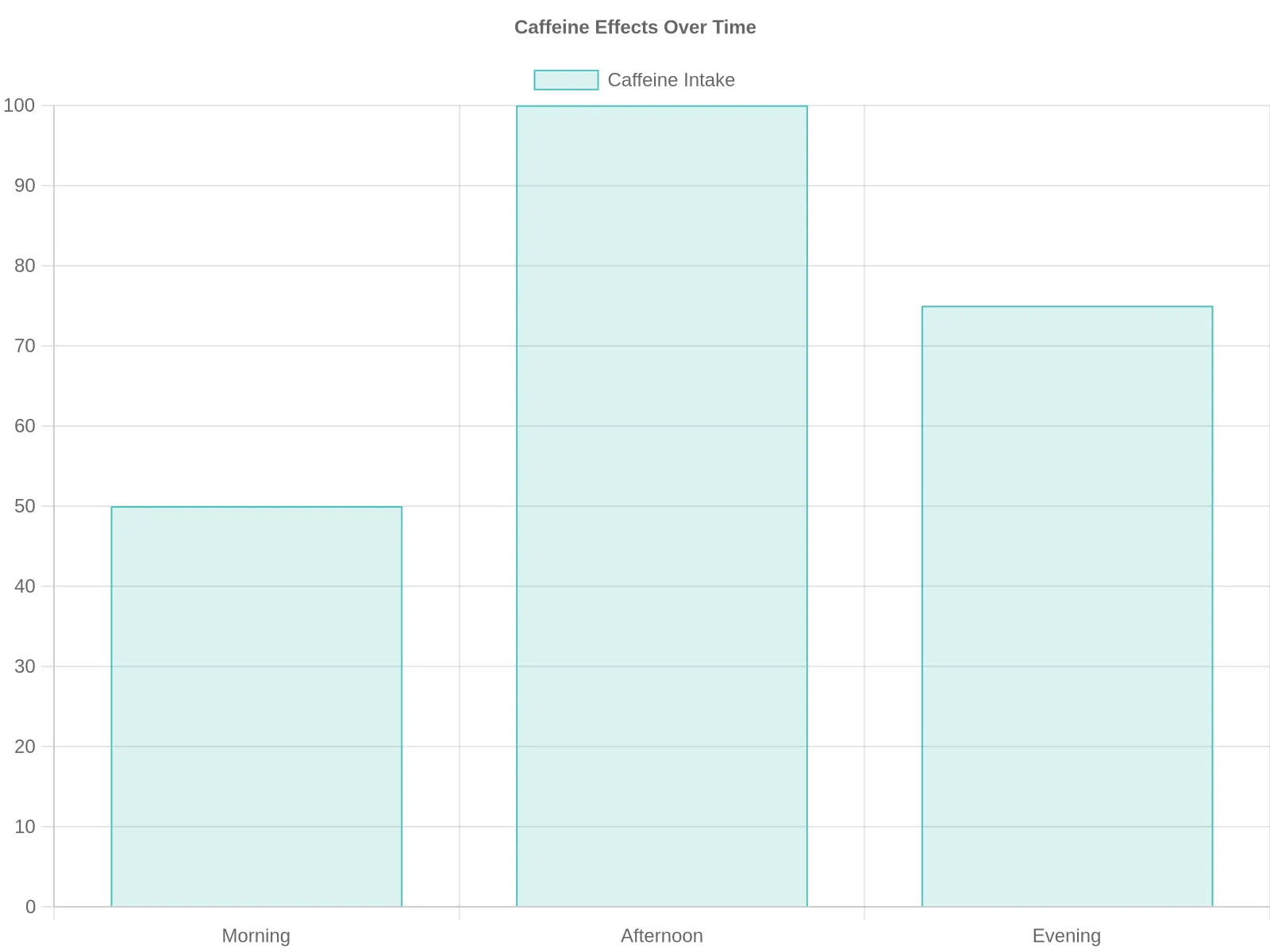
Chart depicting the effects of caffeine consumption over time.
For business owners, understanding these effects can be crucial, especially if your workday is heavily reliant on caffeine intake for productivity. Consider these insights into how caffeine impacts your energy levels throughout the day. Explore more about coffee life here and how to manage caffeine for optimal performance.
In conclusion, understanding the half-life of caffeine in coffee, which typically ranges from 3 to 7 hours, is crucial for business owners looking to maximize productivity and employee satisfaction. Caffeine can significantly boost alertness and cognitive function, allowing teams to work more efficiently during long hours. However, it’s essential to monitor consumption levels, as excessive caffeine intake can lead to adverse effects like anxiety and decreased focus. By considering these factors, business owners can effectively strategize around their coffee offerings, ensuring that they foster an environment conducive to productivity. For those looking to enhance their coffee strategies, consider exploring innovative options such as Truck Pizza’s unique offerings to cater to the diverse tastes of employees making their coffee breaks even more enjoyable. Learn more about enhancing your coffee strategies and discover how the right caffeine choices can make a significant difference in workplace productivity.
Conclusion & Call to Action
As a business owner, understanding the half-life of caffeine in coffee is not just an interesting tidbit; it’s crucial for making informed decisions about customer satisfaction. Whether you’re looking to optimize your coffee offerings or create a unique experience with your brand, knowledge is power. Don’t leave your customers guessing about their caffeine consumption-get the facts and provide them with exactly what they need.
If you’re also interested in incorporating a unique dining experience alongside your coffee offerings, consider exploring the exciting world of mobile dining. Visit truckpizza.net today to discover the perfect pizza truck that can complement your coffee business and create a delightful synergy for your customers. Let’s elevate your business together!