
The Critical Importance of Coffee Shelf Life for Business Owners
In the competitive world of coffee retail and service, the shelf life of your product can be the difference between thriving and merely surviving. For business owners, understanding how long coffee remains fresh is paramount, not just for maintaining product quality, but also for ensuring customer satisfaction. Stale coffee can lead to negative customer experiences, as the rich aroma and robust flavor that attract customers initially fade away over time. Moreover, poor product quality can tarnish a brand’s reputation, resulting in dwindling sales and loyalty. By properly managing coffee shelf life, owners can optimize their inventory, reduce waste, and enhance the overall quality of their offerings. In this guide, we’ll delve deeper into the significance of coffee shelf life and provide insights that will help you keep your customers coming back for more. Learn more about maintaining coffee quality and discover the best methods for brewing.
When it comes to the shelf life of coffee, several key factors can significantly influence its freshness and flavor over time. Understanding these factors is essential for business owners who want to maintain the quality of their coffee products.
-
Bean Type:
-
Different coffee beans have varying levels of oils and moisture content, which affects their shelf life. Arabica beans, for instance, tend to have a shorter shelf life compared to Robusta beans due to their higher oil content.
-
Roast Level:
-
The roast level also plays a crucial role. Lightly roasted beans may stay fresh longer than dark-roasted beans, which can oxidize and lose flavor more quickly.
-
Storage Conditions:
-
Coffee should be stored in an airtight container to minimize exposure to air and moisture. Ideal storage conditions include a cool, dark place away from direct sunlight.
-
Grind Size:
-
The grind size can impact the coffee’s exposure to oxygen. Finer grounds have more surface area exposed to air, which can accelerate staling.
-
Humidity:
-
Moisture can damage coffee beans. It’s important to keep coffee in a low-humidity environment to prevent mold growth and degradation.
-
Temperature Fluctuations:
-
Fluctuating temperatures can cause condensation inside containers, leading to moisture accumulation. Maintain consistent temperatures to preserve freshness.
-
Oxygen Exposure:
-
Oxygen is a major factor in the staling process. Limiting exposure through proper packaging and storage can significantly extend the shelf life.
-
Packaging:
-
Packaging materials also affect shelf life. Vacuum-sealed or nitrogen-flushed packages are ideal for keeping coffee fresh longer.
By paying attention to these factors, business owners can enhance the quality and longevity of their coffee products. For more insights on how to improve coffee freshness, consider exploring storage methods and best practices.
Understanding these variables will not only help maintain the integrity of your coffee but also meet customer expectations for quality.
The Impact of Shelf Life on Coffee Quality
The freshness of coffee is paramount in determining its flavor, aroma, and overall consumer experience. Coffee is a complex beverage brewed from roasted coffee beans, and its quality can degrade significantly over time, resulting in diminished taste and aromatic properties.
Flavor and Aroma
Fresh coffee is rich in essential oils and aromatic compounds that are best preserved shortly after roasting. In fact, as coffee ages, these compounds degrade, leading to stale flavors that lack the vibrant characteristics of fresh brews. According to the National Coffee Association, freshly brewed coffee retains a richer taste and an appealing aroma, thus enhancing the overall drinking experience. On the contrary, coffee left on shelves for extended periods develops a flat taste, losing the nuanced flavors that many coffee enthusiasts enjoy.
Consumer Preferences
The fresh quality of coffee significantly influences consumer choices. Many individuals seek out coffee shops that emphasize serving freshly roasted beans. A recent overview from a prominent coffee blog indicated that consumers are generally more satisfied when their coffee is prepared using fresh ingredients. This is particularly evident in specialty coffee shops, where the brewing process highlights the quality of the beans used, a process that begins with the freshness of the beans. In fact, shops that prioritize freshness often experience higher foot traffic and customer loyalty.
For instance, shops that feature daily roasted coffees tend to attract connoisseurs who appreciate unique flavor notes and a vibrant aroma, similar to what freshly roasted coffee provides. By ensuring a quick rotation of inventory, these cafes effectively maintain the quality and appeal of their products, ultimately enhancing customer satisfaction.
Summary
In conclusion, fresh coffee leads to better flavor and aroma, which in turn enhances the overall consumer experience. Business owners should consider emphasizing the importance of coffee freshness in their offerings to attract and retain customers. For those looking to dive deeper into coffee quality, learn more about coffee essentials here. By ensuring that coffee is served at its peak freshness, businesses can significantly improve the satisfaction and loyalty of their clientele, leading to a successful coffee venture.
Consumer Preferences: Fresh vs. Stale Coffee
Coffee consumption is deeply personal and often influenced by freshness, flavor, and aroma. Recent studies demonstrate a clear preference for fresh coffee among consumers, which presents significant implications for business owners in the coffee industry.
Key Findings
- Fresh Coffee Preference: A significant majority of coffee drinkers prefer freshly brewed coffee over stale options. According to a survey conducted by Drive Research, 72% of consumers indicated that freshness is their primary criterion when purchasing coffee.
- Stale Coffee Dislike: Many consumers expressed strong aversion to stale coffee, with 65% mentioning they would avoid a brand that they perceive as serving stale coffee.
- Purchase Behavior: Businesses noting that consumers are willing to pay up to 30% more for freshly roasted coffee, highlighting the premium placed on freshness.
- Brewing Methods: According to a Statista report, 53% of respondents prefer brewing coffee at home rather than purchasing it from cafes, which emphasizes the importance of freshness in self-prepared coffee products.
Business Strategies
Given these consumer preferences, coffee shop owners and roasters must develop effective strategies to ensure their products maintain freshness. Here are key strategies to consider:
- Rotate Stock: Ensure older inventory is moved quickly to maintain the freshness of your offerings.
- Educate Customers: Provide information about the benefits of fresh coffee and engage customers with tastings to compare fresh and stale products.
- Offer Subscription Models: Implement coffee subscription services that deliver fresh products regularly to customers, capitalizing on the growing trend of home brewing.
In conclusion, understanding consumer preferences regarding fresh vs. stale coffee is crucial for business owners aiming to enhance their offerings and retain customer loyalty. For a deeper dive into the world of coffee, explore more about coffee life here or learn some tips on coffee preparation in our ultimate guide to French press coffee ratios.
Shelf Life of Different Coffee Types
Understanding the shelf life of various coffee types is crucial for business owners in the coffee industry to maintain product quality and customer satisfaction. Below is a comparison of the shelf life of whole bean coffee, ground coffee, and flavored coffee under optimal storage conditions:
| Coffee Type | Shelf Life | Storage Method |
|---|---|---|
| Whole Bean | 6 to 12 months | Store in an airtight container away from light, heat, and moisture. Learn more about coffee storage |
| Ground Coffee | 3 to 6 months | Should ideally be consumed within two weeks of opening, stored in a cool, dark place. Discover more about coffee freshness |
| Flavored Coffee | Up to 6 months | Similar to ground coffee; keep tightly sealed and in a cool area to preserve flavors. |
This table provides a concise overview of how to store coffee and the expected time before it loses its peak freshness, helping business owners make informed decisions regarding product management.
Best Storage Practices for Coffee
For business owners, maintaining the freshness and flavor of coffee is imperative to meet customer expectations and maintain quality. Here are some essential storage practices to extend the shelf life of coffee:
1. Use Airtight Containers
Storing coffee beans or grounds in airtight containers is one of the most effective ways to preserve their flavor and aroma. Exposure to air can significantly degrade coffee quality, leading to stale flavors. Opt for containers made from non-reactive materials, such as glass or ceramic, which do not impart any unwanted flavors to the coffee.
2. Maintain a Consistent Temperature
Coffee should be stored in a cool, dark place, away from direct sunlight and heat sources. Fluctuations in temperature can cause condensation to form inside containers, which can lead to mold or spoilage. A pantry or a storage room with a stable temperature is ideal. The ideal temperature range for storing coffee is around 60°F to 70°F (15°C to 21°C).
3. Keep Coffee Dry
Moisture is the enemy of coffee; it can lead to a loss of flavor and promote mold growth. Remember to always seal the container tightly after each use. Avoid storing coffee in the refrigerator, as the moisture from the fridge can negatively affect the quality of the coffee.
4. Purchase in Small Batches
To ensure the freshness of your coffee, consider buying smaller quantities more frequently rather than large amounts at once. This practice allows you to enjoy the coffee at its best quality, as whole beans can maintain their flavor for 6-12 months, while ground coffee typically lasts only 3-6 months. Learn more about the shelf life of coffee.
5. Avoid Freezing Coffee Grounds
While some might suggest that freezing coffee can help preserve it, frequent thawing and refreezing can lead to moisture problems. If you must freeze coffee, consider vacuum-sealing it first, and try to minimize the number of times it is removed from the freezer.
Conclusion
Utilizing these best practices will help ensure that the coffee served in your business remains fresh and flavorful, contributing to a better customer experience. Proper storage not only enhances taste but can also help reduce waste due to spoiled coffee. For detailed insights on coffee preservation, check out our article on storage techniques.

In summary, effectively managing the shelf life of coffee is crucial for business success in the highly competitive coffee industry. Freshness plays a critical role in maintaining the quality and flavor of coffee, directly impacting customer satisfaction and loyalty. Businesses that manage their coffee inventory with a focus on freshness not only enhance the consumer experience but also improve their brand reputation, leading to increased sales and profitability.
Key takeaways include:
- Impact of Freshness on Quality: Freshly roasted coffee beans preserve their rich flavors and aromas, which are essential for creating a desirable product. Stale coffee can deter customers and negatively impact sales.
- Consumer Expectations: Today’s coffee drinkers are more knowledgeable and discerning, often preferring specialty coffee with fresh ingredients. Providing quality products can distinguish a business from its competitors.
- Inventory Management: Implementing proper storage techniques and understanding the shelf life of different coffee types can optimize inventory levels, minimize waste, and ensure that customers receive the best possible product.
For those looking to stay ahead in the coffee business, continuous education on coffee storage and freshness management is vital. To explore more about enhancing your coffee experience, consider visiting Coffee Rich Life.
Additionally, don’t miss out on innovations in beverage delivery and inventory management that can further support your business goals. Be sure to check out Truckpizza.net for insights on integrated logistics solutions designed for food and beverage businesses.
By prioritizing coffee freshness and quality, you position your business for lasting success in a dynamic market.
Freshness is key to the coffee experience; stale coffee loses its aroma and flavor, diminishing the quality of the cup. This principle is widely accepted within the coffee community and emphasizes the significance of using freshly roasted coffee beans for the best flavor profile.
Impact of Coffee Storage on Shelf Life
The way coffee is stored greatly affects its freshness and overall quality. Here, we present a chart that outlines various coffee storage methods and how they impact the shelf life of coffee.
Coffee Storage Methods Chart
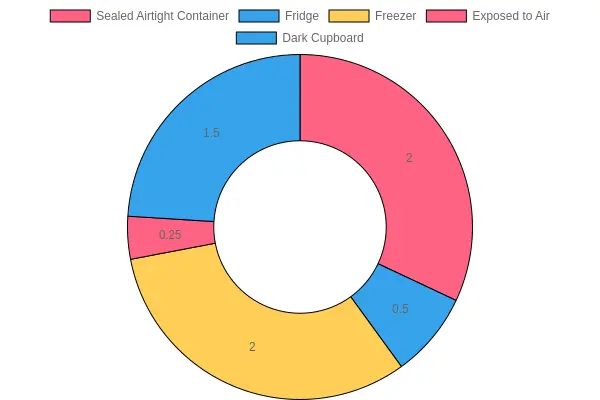
| Storage Method | Ideal Condition | Shelf Life |
|---|---|---|
| Sealed Airtight Container | Cool, dark place | 1-3 months |
| Fridge | Not recommended (causes moisture) | Up to 2 weeks (if stored) |
| Freezer | Airtight, avoid thawing and refreezing | 1-3 months |
| Exposed to Air | Avoid exposure | Days to weeks |
| Dark Cupboard | Airtight container | 1-2 months |
Understanding these storage methods can help ensure that your coffee remains fresh and flavorful for as long as possible. For more tips on maintaining coffee quality, learn more about coffee storage options.
Additionally, you can find more information regarding coffee preparation and styles on our website by visiting Coffee Rich Life.